Korean Folk Village from Seoul: Tickets, Buses & a Show-First Route
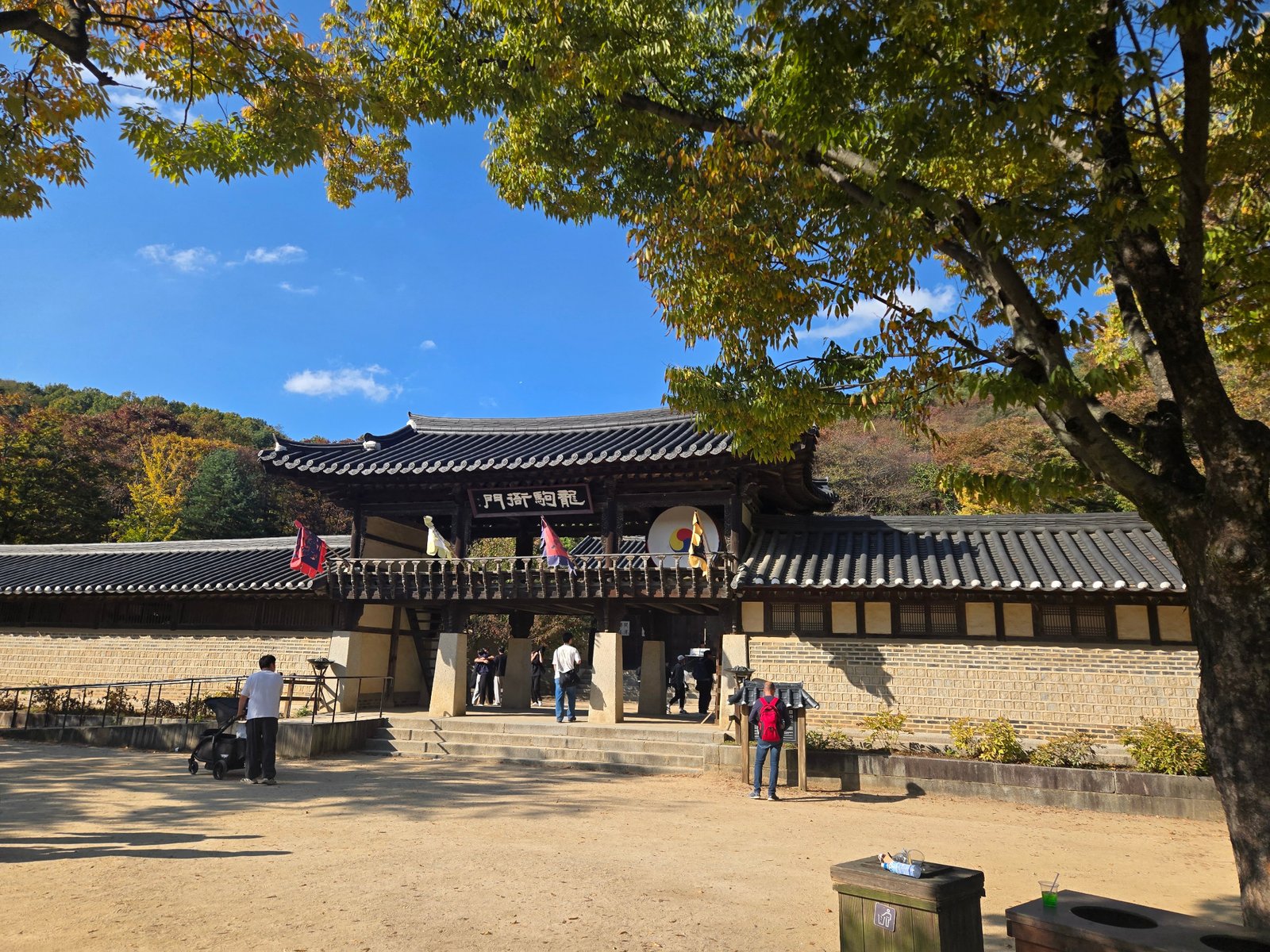
Korean Folk Village (한국민속촌) in Yongin works best as a show-led day trip, not a quick photo stop. Choose a performance first, then fit traditional houses, courtyards and lunch around it. Allow roughly 3–4 hours inside as a planning estimate, plus the journey from Seoul.
Why Uncle Choi recommends it: after visiting, the site owner described the parades and performances as outstanding and Korean Folk Village as his personal first choice for immersing yourself in Korean traditional culture. The many live characters made him feel as though he had stepped into the village’s world. His advice is emphatic: make time to come. This is his personal recommendation, not an independent ranking.
This guide combines the site owner’s visit impressions and photographs with official visitor information checked on 23 October 2026. The transport advice and suggested route are researched planning guidance, not a personally tested itinerary.
Is Korean Folk Village the right day trip?
The attraction brings together relocated and reconstructed Joseon-period buildings and traditional-life displays. It is a ticketed cultural park, rather than an ordinary residential village. That makes it useful if you want performances and village scenery in one place. See the official introduction for its background.
- Choose it for: folk music, traditional houses, crafts and a slower outdoor outing.
- Choose Bukchon instead if you only have a short window in central Seoul and mainly want a hanok walk. It is a residential neighborhood with visitor rules: read our Bukchon walking guide.
- Choose a fortress-focused trip if ramparts and city walking are your priority. Our Seoul day-trip comparison helps you weigh Suwon and other alternatives. Do not squeeze two major destinations into the same half-day.
Tickets: bring your passport before comparing offers
The official admission page lists a ₩22,000 foreign-visitor rate through 2026, with a passport or foreign registration card as proof. Ask for this rate before paying; do not assume the ordinary adult price is your only option. This is a dated offer, not a permanent or guaranteed lowest price.
- Standard full-day adult ticket: ₩37,000 weekdays / ₩39,000 weekends.
- Standard child ticket: ₩30,000 weekdays / ₩32,000 weekends.
- Adult pricing starts at middle-school age. Child pricing covers ages 36 months through elementary school; under-36-month entry is free with proof.
- No re-entry after leaving. Finish your visit before going outside for a meal.
Wearing hanbok? Compare the limited-time offer
The official hanbok offer, checked on 23 October 2026, is ₩19,000 through 31 October 2026. Wear a jeogori with goreum ties plus a hanbok skirt or trousers. Staff check the outfit at the ticket office before issuing the ticket. It applies to the wearer only, not accompanying guests, and cannot be combined with other discounts.
That is ₩3,000 below the separate foreign-visitor rate. If you already want to wear hanbok, it is worth comparing; do not assume renting an outfit will save money overall. Rental costs are not included in this comparison. After 31 October, recheck the offer rather than relying on this price.
Special experiences can have separate conditions or charges. If buying online, check the visit date, what the ticket includes and the cancellation terms on the actual booking screen. Online payment with a foreign card or phone number has not been tested for this guide.
Getting there from Seoul: choose by where you are staying
Use the park’s official transport guide, then check the exact stop and direction in a live map on the day. Search for 한국민속촌, not a generic “folk village.”
- Near Seoul Station or City Hall: the official route lists bus 4101 from Sungnyemun (Seoul Station area) to 한국민속촌·보라효성해링턴·삼정아파트. The boarding point is not inside Seoul Station.
- Near Gangnam: bus 5001-1 serves Sinnonhyeon, Gangnam and Yangjae before the same Folk Village-area stop. The guide also lists 1560 from Gangnam to the village entrance.
- Prefer rail for most of the journey: take the Suin–Bundang Line to Sanggal, Exit 3, then local bus 37 or 10-5. Sanggal is the nearest station named by the park, but it is not the entrance.
For a family, compare the whole door-to-door route rather than just train time: extra station transfers and the final bus can matter more than a small fare difference. Save the return stop and direction before entering. This guide does not quote a fixed bus fare, frequency or journey time because those depend on the service and traffic.
Pick your show before walking deep into the village
The official performance listings give different weekday and weekend times. These are the useful daytime anchors checked on 23 October 2026:
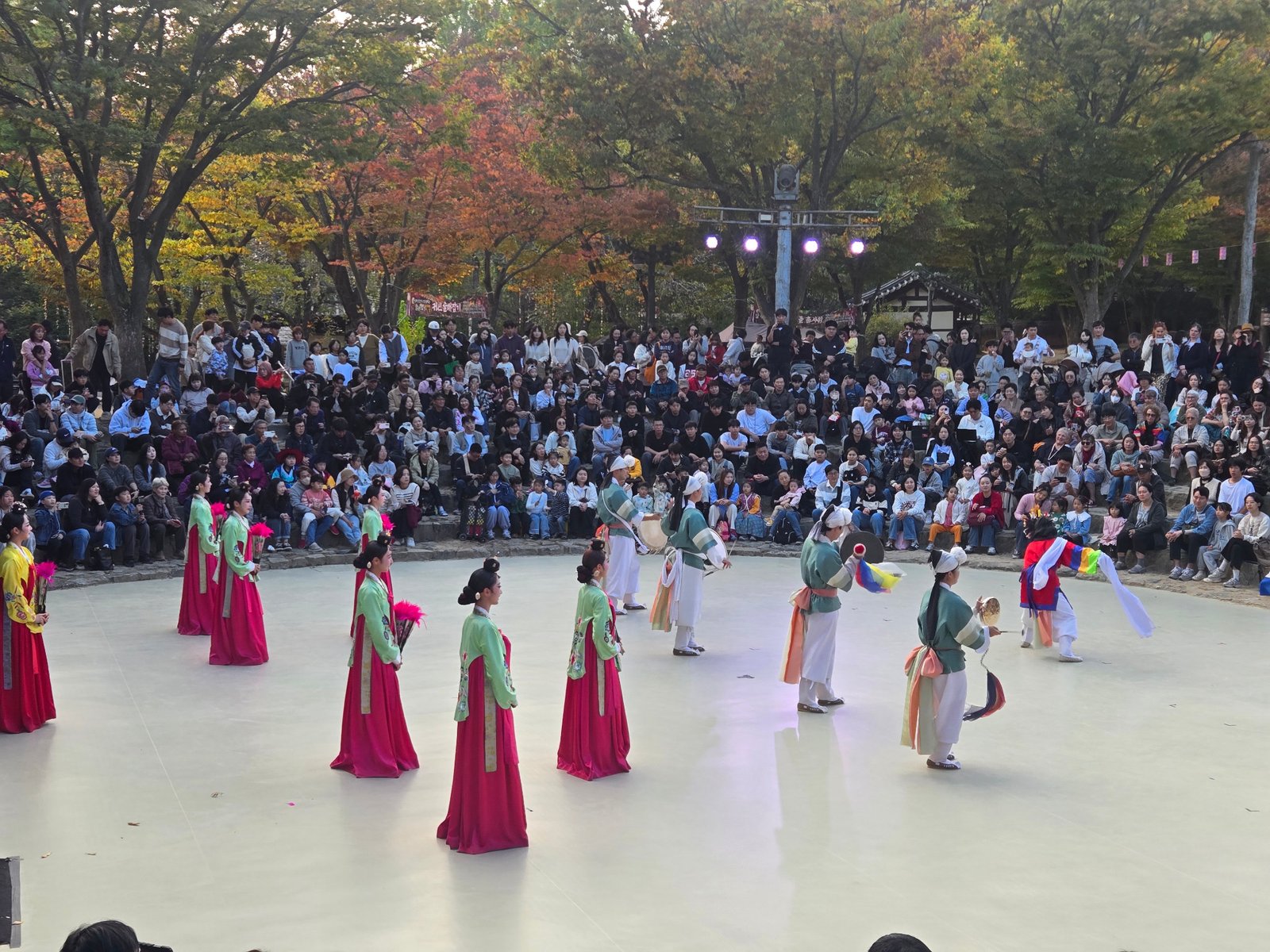
- Samdo Pangut (삼도판굿): 12:30 Monday–Thursday; 12:00 Friday–Sunday and public holidays. Village performance arena, site 37.
- Pungmul Hangarak (풍물한가락): 11:00 and 16:00 Monday–Thursday; 16:00 Friday–Sunday and public holidays. Same arena.
- Baengnyeon Gayak (백년가약): 14:00 daily in the shopping village. This is a traditional-wedding-themed parade, not a promise that you will see an actual wedding.
Music and movement make the first two useful choices when you do not speak Korean. Check the entrance information for changes, rain decisions and where to wait; leave time to reach the venue rather than arriving at the scheduled start. A late park closing time does not mean daytime shows keep repeating.
Leave room for the live characters
The site owner’s strongest impression was the sense of a living village created by its characters, alongside the larger shows. For that kind of visit, leave some unplanned time between scheduled performances instead of treating every building as a checklist. Watch what is happening around you, follow staff cues, and ask before taking a close-up photograph. Character appearances and interactions can vary; no particular encounter is guaranteed.
A flexible 3–4-hour route
Use the official heritage course as a map reference, but let the performance timetable set your order. The following is our suggested pacing, not a timed guided tour.
- First 10–15 minutes: orient yourself. Check today’s shows, identify arena 37 and the shopping-village parade area, and choose one performance you do not want to miss.
- Before that show: explore a compact group of houses. Look into courtyards and traditional-life displays instead of trying to cover every building. Keep the last part of this block free for reaching the arena.
- After the show: take a meal break. Avoid committing to a long lunch just before a performance. If you want the 14:00 parade, position lunch and your walk back around that.
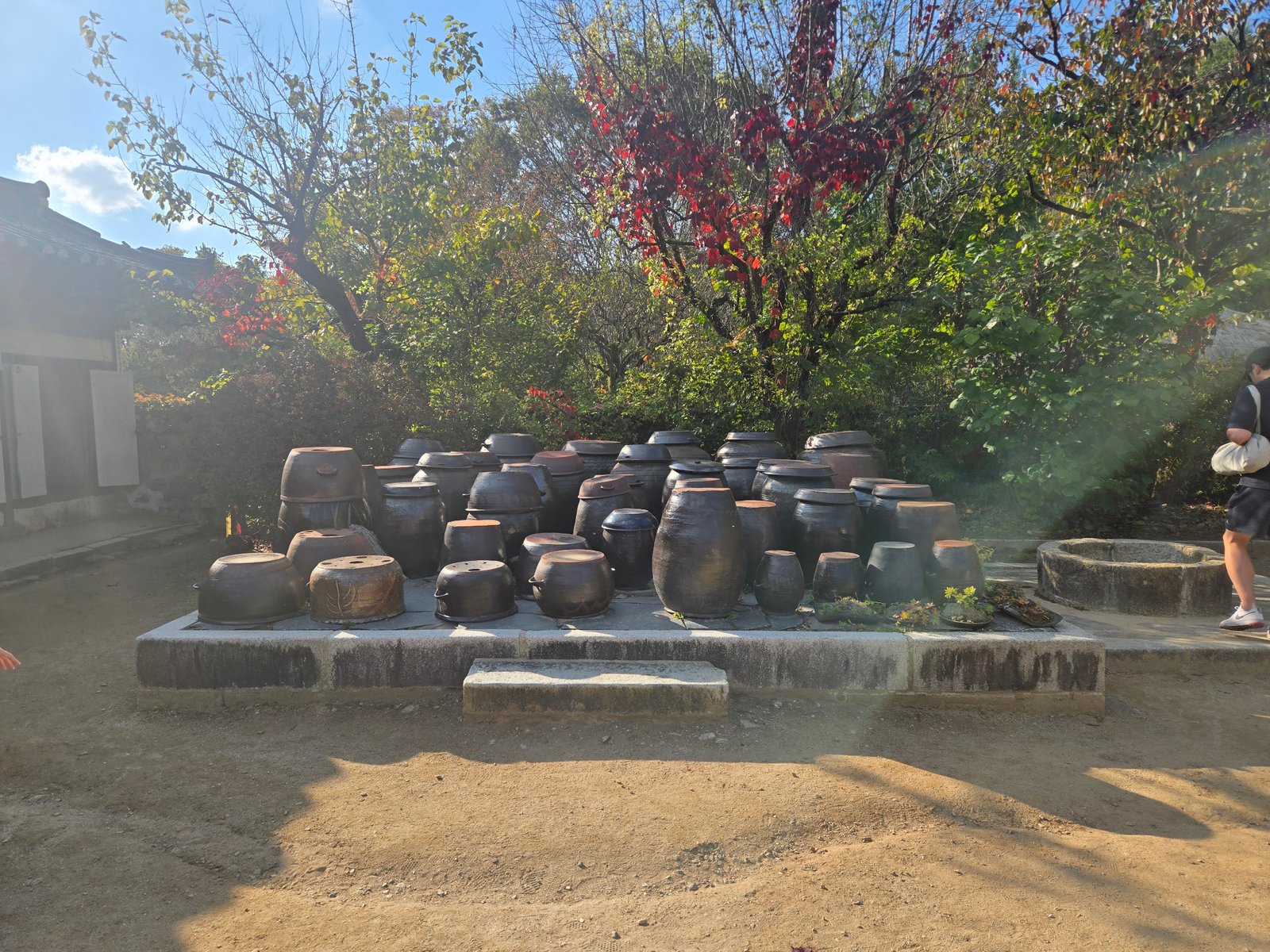
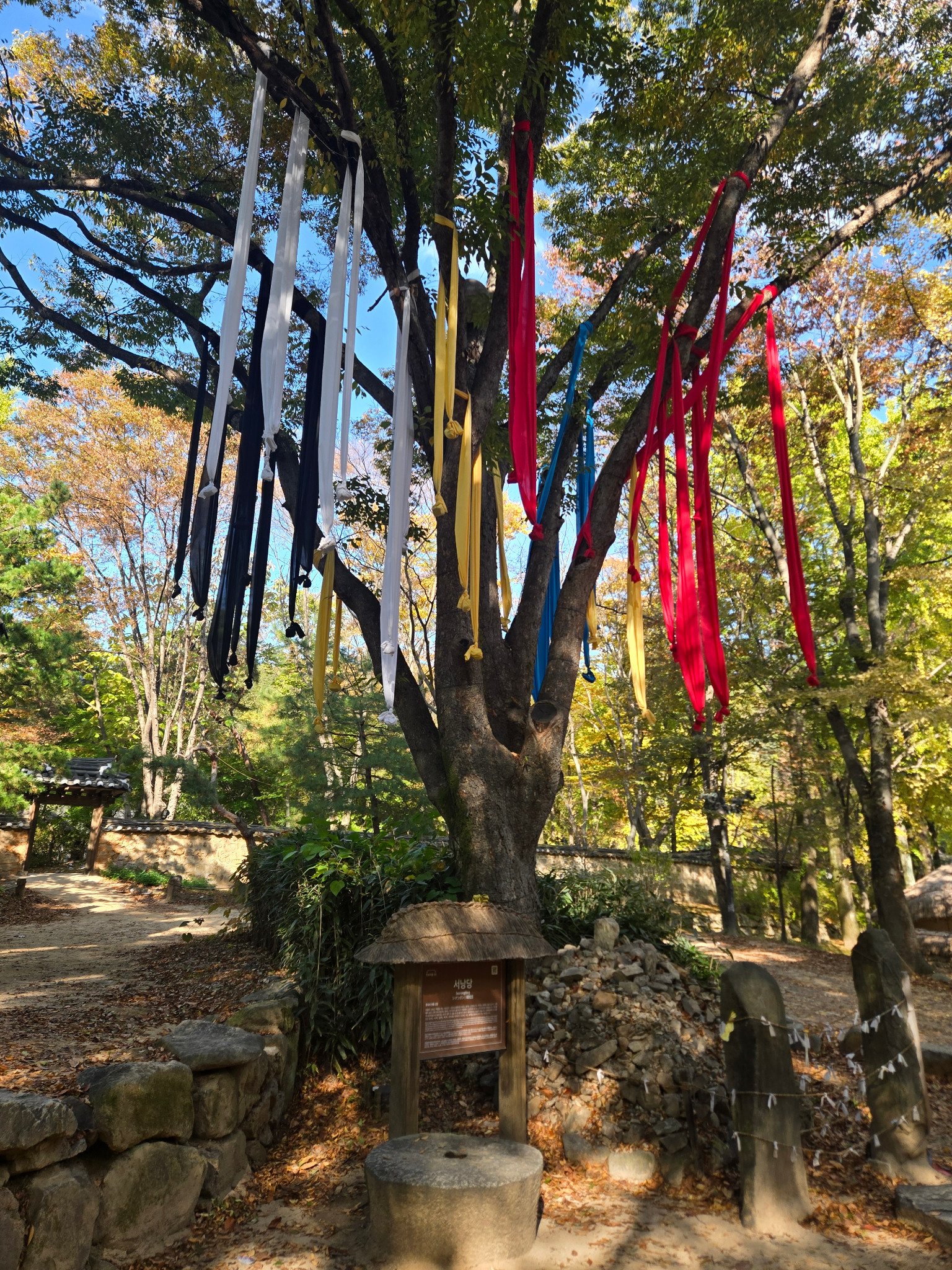
- Final hour: fill the gaps. Visit the government-office and house displays or pause for details such as earthenware jars and the ribbon-covered tree. With children, choose fewer stops and more rest time rather than extending the route indefinitely.
Arriving after lunch? A 16:00 performance may be a better anchor than racing for a missed noon show. Check the day’s schedule first, and do not assume an evening event is included or running on your date.
Lunch and a realistic starting budget
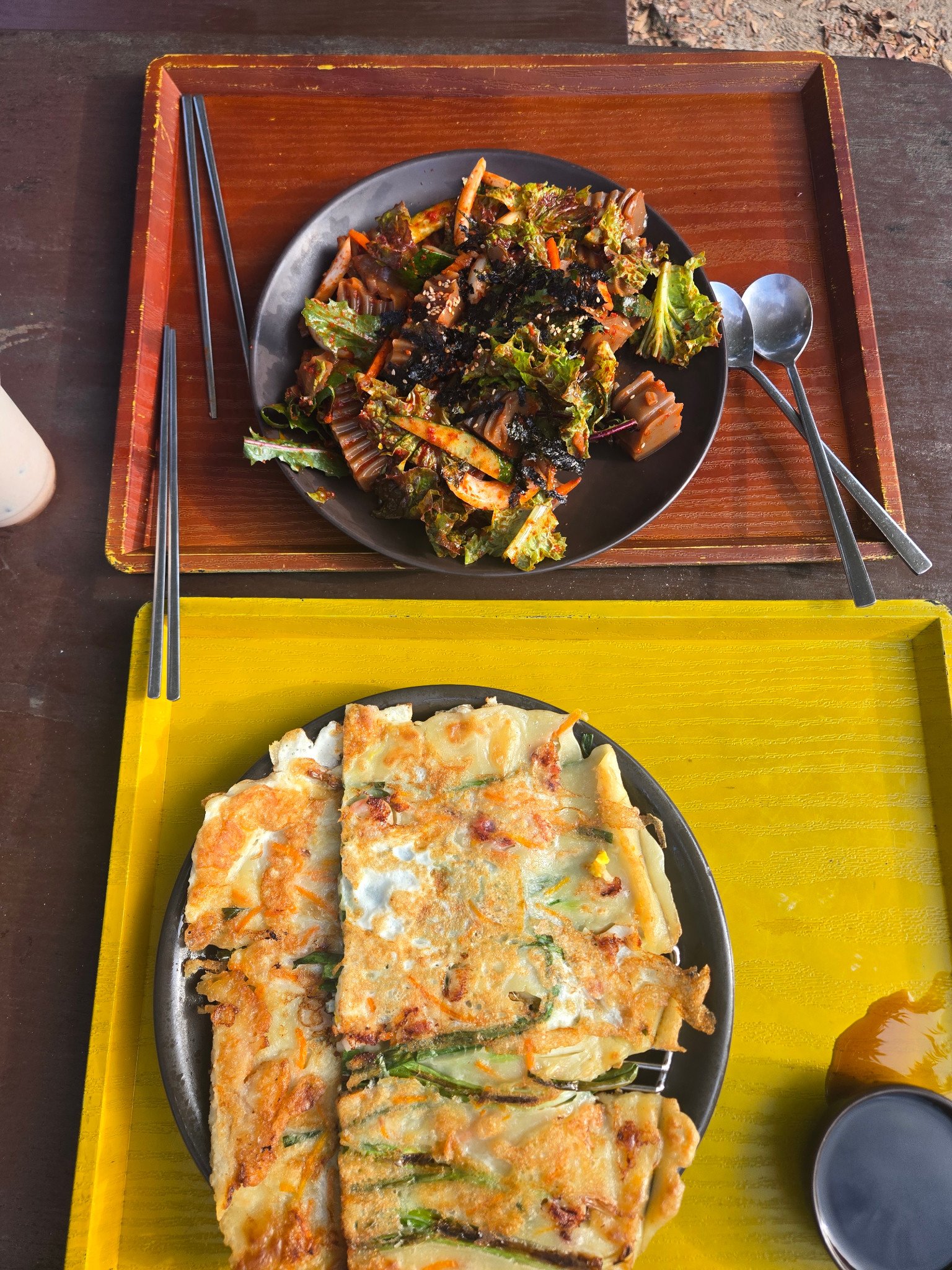
The official Jangteo menu lists beef-bone soup (한우설렁탕) at ₩10,000, beef soup (장터한우국밥) at ₩10,000, hot-pot bulgogi (뚝배기불고기) at ₩13,000, and rice topped with spicy pork and bean sprouts (콩나물제육덮밥) at ₩11,000. Point to the Korean menu name when ordering and confirm ingredients if you have dietary restrictions.
A qualifying foreign-visitor ticket plus the ₩10,000 soup gives a ₩32,000 starting budget per person. Transport, drinks, snacks and any separately charged experiences are extra. It is not an all-inclusive day-trip price.
Hours, rain and the final check before leaving Seoul
Opening hours vary by date. The official homepage displayed 10:00–22:00 for 23 October 2026; check the operating calendar for your own visit instead of applying that closing time to every day.
This is mainly an outdoor plan. For light rain, shorten the walking sections and confirm whether your chosen show will run. In sustained heavy rain, consider an indoor day instead, such as our National Museum of Korea route. Sheltered buildings do not make the whole village a weatherproof attraction.
- Passport or other accepted proof for the foreign-visitor rate.
- Today’s opening hours and performance notices.
- Correct outbound and return bus stops saved on your phone.
- Comfortable shoes, weather protection and time for breaks.
- Your must-see show chosen before you start the house walk.
Photo credit: photographs supplied by the site owner for this article; original capture dates were not provided. They illustrate the setting and food, not current prices, today’s foliage or guaranteed programming. No firsthand transport, payment or tasting claims are made. Prices and schedules above were checked against Korean Folk Village’s official pages on 23 October 2026 and may change.