Bukchon Hanok Village Guide: Silent Tourism Rules & Best Walking Route
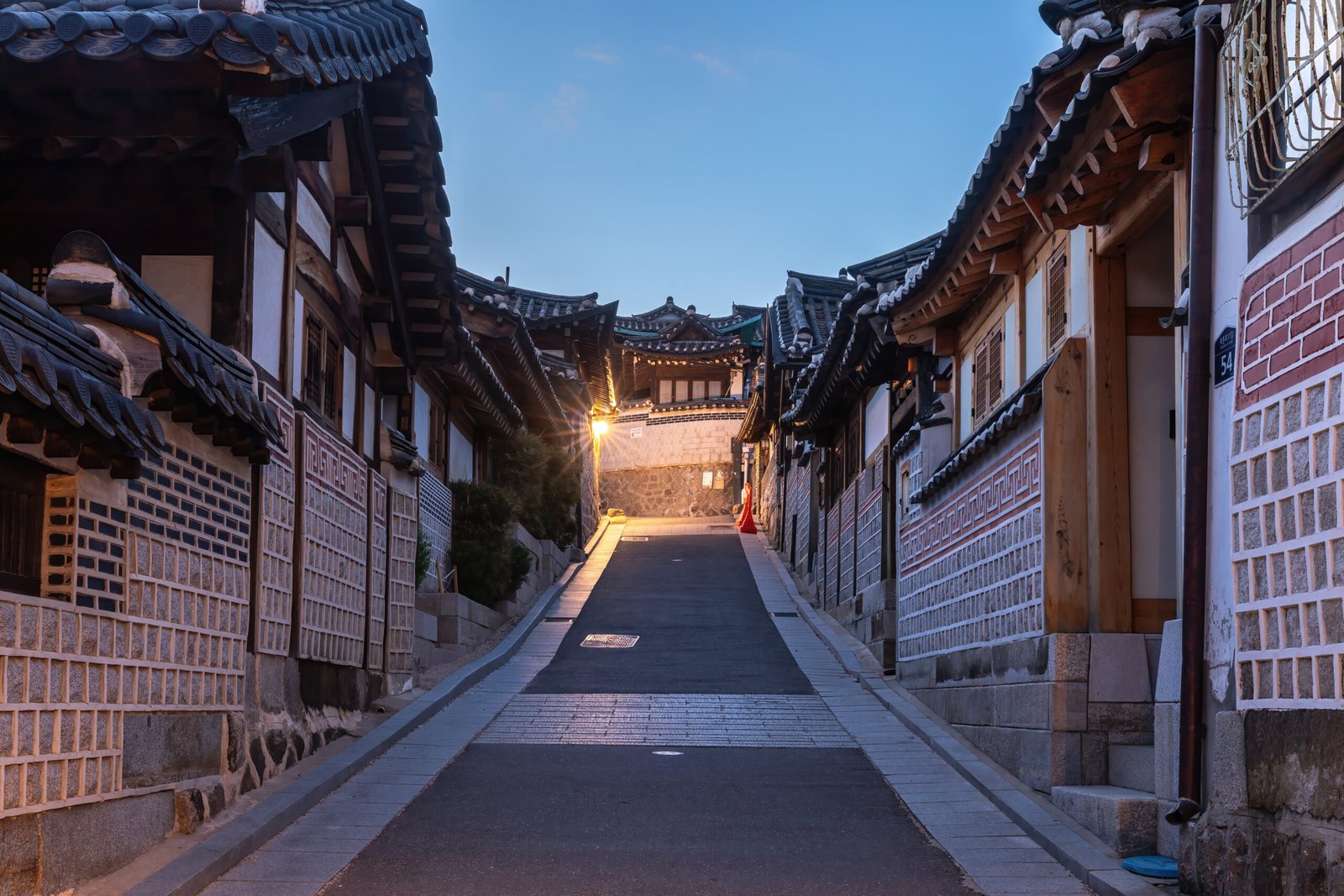
Bukchon Hanok Village is a real residential neighborhood of traditional Korean houses, not an open-air theme park. A good Bukchon Hanok Village guide therefore starts with one rule: enjoy the lanes quietly and respect the people who live there.
Bukchon Hanok Village guide: essential facts
- Location: between Gyeongbokgung Palace and Changdeokgung Palace
- Best access: Anguk Station, then walk uphill into the hanok lanes
- Restricted visiting hours: Visit Seoul currently lists 10:00–17:00 for the residential area
- Experience: public streets, galleries, tea houses and traditional architecture
Why the rules matter
Residents have asked visitors to reduce noise, avoid blocking doorways and skip photos through private gates. Visit Seoul’s silent-tourism guidance also asks groups to stay small—up to 10 people—and keep voices low. These are practical ways to keep the neighborhood welcoming.
Best walking route
- Start at Anguk Station Exit 2 and walk toward Bukchon-ro.
- Use the official signs to find the designated viewpoints instead of wandering into every side lane.
- Pause at a viewpoint, keep the stop short and leave room for residents.
- Continue toward Gahoe-dong, then descend toward Samcheong-dong.
- Finish at Gyeongbokgung or the National Folk Museum if you want a longer culture walk.
What to do in Bukchon
Look for rooflines and details
Notice tiled ridges, wooden doors and stone walls. The charm is in the rhythm of the street, so you do not need to enter a private courtyard.
Book a cultural stop
Hanok tea houses, craft studios and small museums offer a respectful way to spend time indoors. Check reservation and shoe-removal rules before entering.
Wear practical shoes
Bukchon has steep lanes and uneven paving. Comfortable shoes are more useful than formal rental footwear.
Photo etiquette
- Photograph architecture from public space.
- Do not photograph residents, open windows or door interiors.
- Keep tripods and selfie sticks out of narrow lanes.
- Move aside after taking a photo.
- Never ring a bell or test a private gate.
When to go
Early in the permitted window is calmer than late afternoon. Weekends and autumn foliage periods are especially busy. Rain can make stone lanes slippery, while summer heat makes the uphill walk tiring; carry water and take breaks.
Nearby pairing
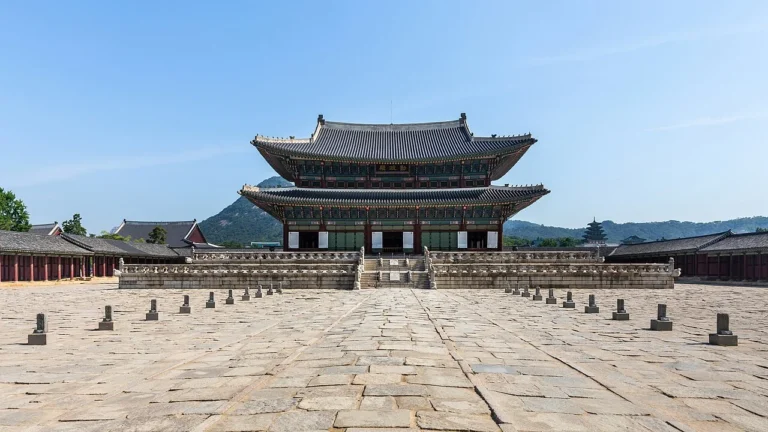
Pair this Bukchon Hanok Village guide with Gyeongbokgung, a short stop in Samcheong-dong or a walk to Insadong. For a full day, start at the palace, visit Bukchon, then continue downhill for lunch.
FAQ
Can I visit before 10:00?
You can pass through public streets, but the residential area’s visitor guidance asks tourists to avoid early visits and observe the current 10:00–17:00 restricted hours.
Is Bukchon free?
The neighborhood streets are free. Museums, workshops and tea houses charge their own prices.
Can large tour groups enter?
Keep groups to 10 or fewer where the guidance applies. Split larger groups and follow signs and staff directions.
Bukchon Hanok Village guide: Uncle Choi’s takeaway
The best souvenir is a quiet walk that leaves the neighborhood peaceful. Follow the designated route, keep your voice down and treat every doorway as someone’s home.
Sources
More Bukchon Hanok Village guide details
Carry water, use the public toilets before climbing and keep navigation on vibrate. The lanes are narrow, so pause only at marked viewpoints. If a resident vehicle approaches, move immediately to the side. A respectful Bukchon Hanok Village guide is also a better way to photograph rooflines without turning doorways into backdrops.
After the walk, descend to Samcheong-dong for a café or continue to the palace museums. This keeps the residential lanes quieter and gives your day a natural finish.