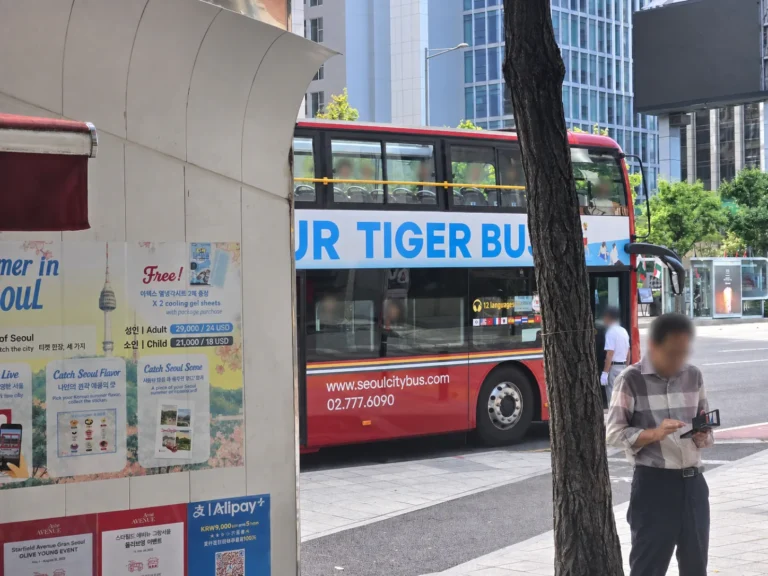
Seoul Climate Card Tourist Pass 2026: Prices, Coverage & How to Use It
Seoul Climate Card Tourist Pass 2026 is a short-term public-transport pass that can make a busy Seoul itinerary simpler. For visitors, the key choice is usually the 1-, 2-, 3-, 5- or 7-day pass—not the 30-day resident product. Seoul’s current notice says the 30-day prepaid Climate Card can be recharged only through August 31, 2026, while existing cards can still be used with short-term passes and a Climate Pass is scheduled for September 1.
This guide explains the tourist-friendly options, what the pass covers, when T-money is a better fit, and the mistakes that can create an extra fare. Information was checked against Seoul Metropolitan Government guidance on August 31, 2026.
Seoul Climate Card Tourist Pass at a glance
| Question | Practical answer |
|---|---|
| Short-term prices | 1 day ₩5,000; 2 days ₩8,000; 3 days ₩10,000; 5 days ₩15,000; 7 days ₩20,000. |
| Physical card | Buy the card separately for ₩3,000, then load the pass at an eligible kiosk. |
| Validity | The pass starts on the date it is charged and runs through the last bus or subway service on the final day. |
| Payment | Since March 17, 2026, international credit/debit cards and mobile payments can be used for short-term Climate Card purchase and recharge at participating machines. |
| Main coverage | Seoul-licensed buses, Seoul-based subway lines and selected partner sections; Ttareungi or Hangang Bus inclusion depends on the pass and current notice. |
| Important exclusions | Sinbundang Line, intercity and airport buses, and non-Seoul-licensed buses are outside the standard service range. |
What changed in 2026?
The timing matters. Seoul’s official Climate Card notice says the 30-day prepaid card can be recharged through August 31, 2026. From September 1, a new Climate Pass is scheduled, while short-term 1-, 2-, 3-, 5- and 7-day passes remain the clearest option for short-stay visitors. Do not assume that a resident-oriented 30-day product is the same as a tourist pass.
For a trip beginning around the changeover, check the date displayed at the kiosk and the latest Seoul Metropolitan Government notice before paying. Save a screenshot of your receipt or pass start date, especially if your itinerary crosses midnight.
Which pass should you choose?
Choose the 1-day pass
Use it for a transit-heavy day with several bus and subway rides inside Seoul. Compare the pass price with your planned rides before charging.
Choose the 2- or 3-day pass
These are natural fits for a long weekend or compact first-time itinerary. They work best when your sightseeing days include repeated short rides and few trips outside Seoul’s service range.
Choose the 5- or 7-day pass
A longer pass can simplify a week of neighborhood-hopping. It is less attractive if you plan day trips, use taxis often, or spend several days walking around one area.
Climate Card vs. T-money: the simple decision
| Your travel pattern | Better starting point | Why |
|---|---|---|
| Many rides every day within Seoul | Climate Card | One prepaid period avoids tapping a balance for each covered ride. |
| Only a few rides or many day trips | T-money | Pay-as-you-go is more flexible outside the Climate Card range. |
| Airport bus, intercity bus or Sinbundang planned | T-money plus separate fares | Those services are not part of the standard Climate Card coverage. |
| Unsure of your itinerary | Start with T-money | You can switch after you see how much public transport you actually use. |
Our separate Seoul subway guide explains T-money, transfers and route planning. This article stays focused on the pass decision and its limits.
How to buy and charge it
- Find an eligible machine. Physical Climate Cards are sold at designated subway vending machines and selected convenience stores. Availability can vary by station.
- Choose the short-term period. Select 1, 2, 3, 5 or 7 days and check the displayed start date.
- Pay with an accepted method. Seoul says international cards and mobile payments are supported for short-term purchase and recharge at participating machines, but keep a backup payment method.
- Tap in and out. Touch the card at the reader every time you enter and leave. For buses, board at the front and tap again when exiting.
- Check the service range. If a subway trip ends outside the covered area, an attendant may collect the fare from your boarding station to your destination.
Coverage mistakes to avoid
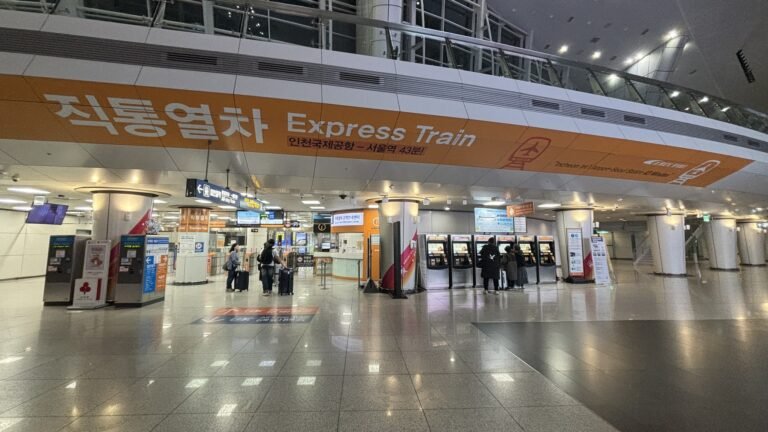
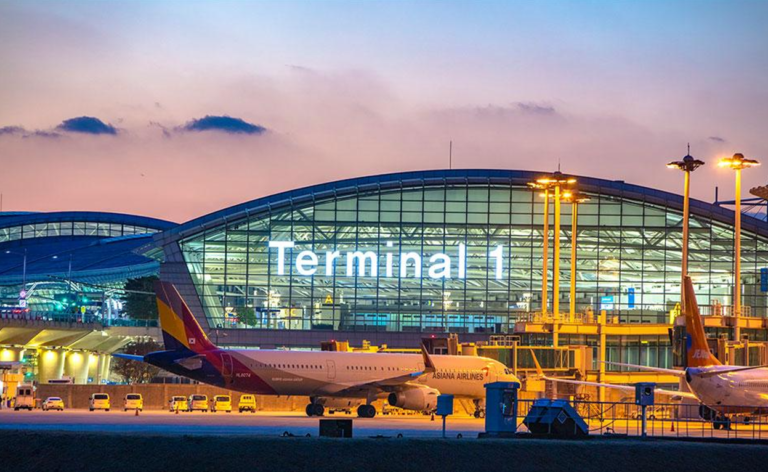
- Do not use it automatically for the airport. Airport buses and intercity buses are excluded from the standard range. For airport routes, see our Incheon Airport to Seoul guide.
- Watch the subway boundary. A line can be partly covered and partly outside the service range. Check your destination, not only the line number.
- Do not confuse Seoul buses with every bus in Korea. Non-Seoul-licensed and intercity buses may require a separate fare.
- Do not buy a longer period just because it sounds cheaper. If you will spend days walking, taking taxis or leaving Seoul, pay-as-you-go may cost less.
- Keep the card until the end. Store it in a wallet pocket away from bending, and keep your receipt or charging record.
A practical example
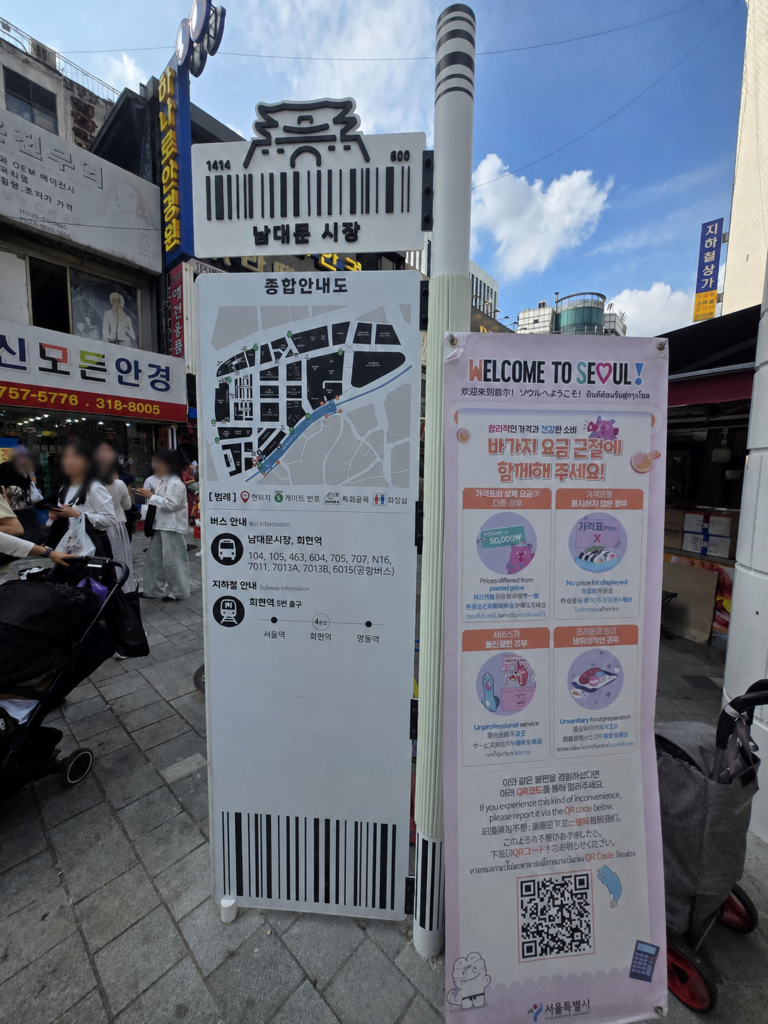
Imagine a three-day Seoul stay with a hotel in Myeongdong, a palace-and-Bukchon day, a Namdaemun shopping day and a final visit to Hongdae. If most trips stay on Seoul buses and covered subway sections, the 3-day pass may be a convenient baseline. If the same traveler adds a Suwon day trip, an airport bus and several taxis, T-money is the safer flexible choice.
Frequently asked questions
Can tourists use the Seoul Climate Card?
Yes, short-term 1-, 2-, 3-, 5- and 7-day passes are designed for short stays. Check the current kiosk menu and Seoul’s latest notice because long-term products and names can change.
Can I buy it with a foreign credit card?
Seoul announced international card and mobile-payment support for Climate Card short-term purchase and recharge from March 17, 2026. Machine availability and payment acceptance can differ, so carry a backup method.
Does it cover Incheon Airport?
Not on airport buses, and the standard Climate Card service range does not include intercity or airport buses. Plan airport transport separately.
Does it cover every subway line?
No. Sinbundang Line and stations outside the service range are excluded. A trip that crosses the boundary may require an extra fare.
Is Climate Card always cheaper than T-money?
No. It is most useful for frequent covered rides. T-money can be better for light users, taxi-heavy itineraries and trips outside Seoul.
Sources and last checked
Last checked: August 31, 2026 (Asia/Seoul). Pass names, prices, payment methods and service coverage can change; confirm the current notice on the Seoul Metropolitan Government website and the instructions at the vending machine.
- Seoul Metropolitan Government: Climate Card
- Seoul Metropolitan Government: international card payments for Climate Cards
- Seoul travel budget guide
Uncle Choi’s field note: a transit pass should make your day feel lighter. If the coverage map makes your itinerary complicated, choose the flexible card and spend your attention on Seoul itself.