Buying Glasses in Seoul: The 30-Minute Eyewear Experience
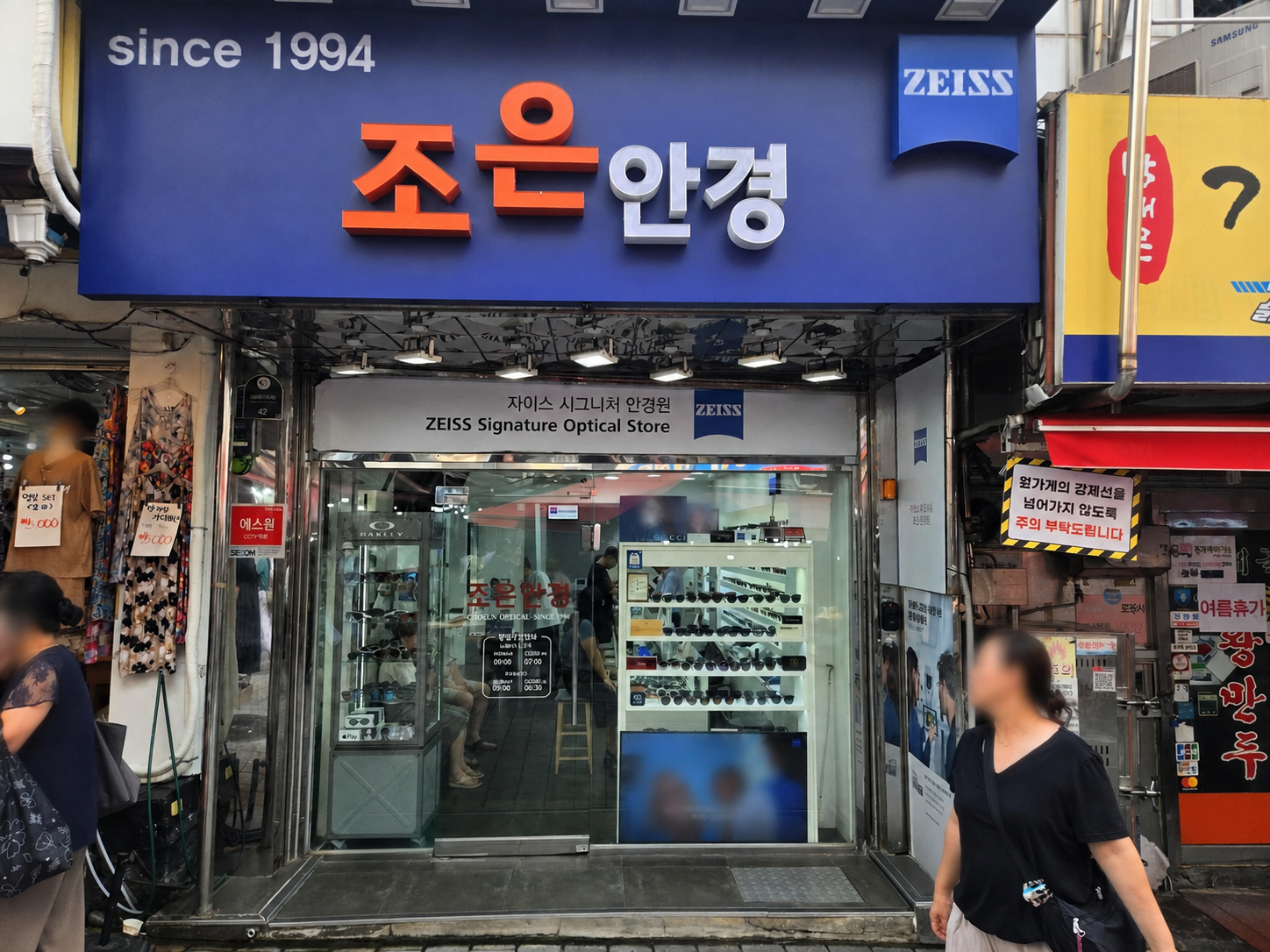
Short answer: Buying glasses in Seoul can be a one-stop experience. In Seoul, a standard pair of prescription glasses can often be tested, fitted, and collected in under an hour—sometimes in about 15–30 minutes when the frame and lenses are in stock. That speed is real, but it is not a guaranteed or uniquely Korean record. Complex prescriptions, progressive lenses, special coatings, and busy shops can take longer.
If you wear glasses, Seoul turns an everyday errand into a surprisingly enjoyable piece of local shopping. You can compare Korean-designed frames, have a licensed optician check your prescription, watch lenses being edged, and leave with a pair adjusted to your face—all while you are already exploring a market or neighborhood.
Is it really possible to get glasses in Seoul in under one hour?
Often, yes—for a simple prescription. The Korea Tourism Organization says that, unless a case is special, visitors should be able to get new glasses within an hour. Its Seoul shopping guide describes one-visit service from eye examination and frame selection through lens crafting and fitting, with some in-stock orders ready in as little as 15 minutes.
The important wording is “standard” and “in stock.” A basic single-vision prescription is the easiest order to complete quickly. Progressives, strong or unusual prescriptions, photochromic lenses, high-index materials, or special coatings may require a laboratory order and a later pickup. Ask for the estimated completion time before paying, especially if your flight is soon.
I could not find a reliable international study proving that no other country can match Seoul’s turnaround. The defensible travel claim is that Seoul makes sub-one-hour service unusually common and easy to access—not that it is literally unique worldwide.
What happens inside a Seoul optical shop?
- Refraction check: A licensed Korean optician (안경사, angyeongsa) checks your vision and discusses the prescription you need.
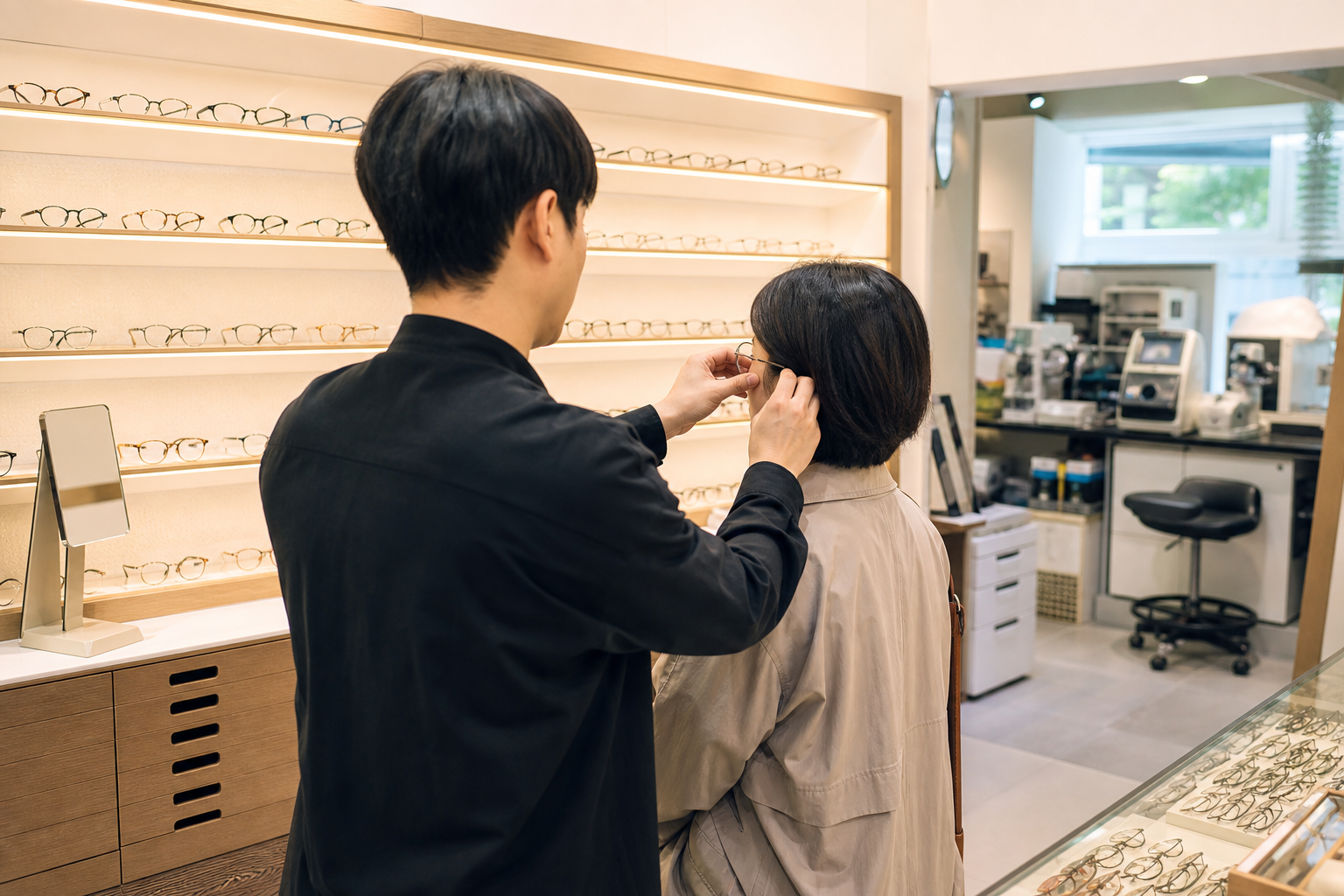
- Frame fitting: You try frames, compare bridge width and temple length, and ask the optician to adjust the fit to your face.
- Lens choice: The shop explains lens index, coatings, tint, blue-light options, or progressive designs. Prices depend on the frame and lens package.
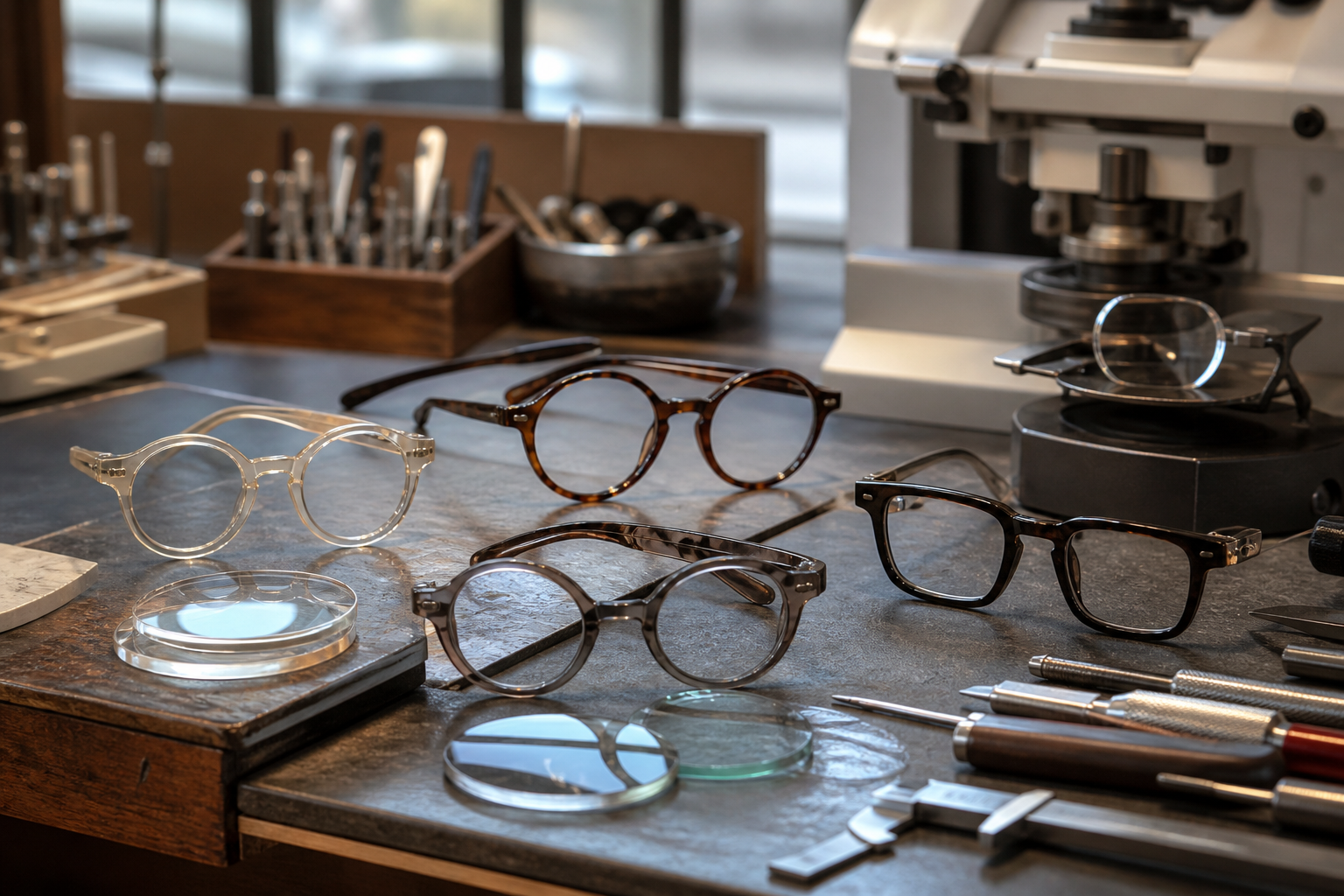
- Lens edging and fitting: If the lens is available in-store, it is cut to the frame shape, mounted, aligned, and checked.
- Final adjustment: The optician checks comfort, pupil alignment, and whether the temples sit evenly before you leave.
This is a refraction and dispensing service, not a full medical eye examination. Korean law defines opticians’ work around making and selling vision-correcting glasses and contact lenses, including examinations used to verify the prescription. An optical shop is not a substitute for an ophthalmology clinic if you have eye pain, sudden vision changes, flashes, floaters, or another health concern.
Why buying glasses in Seoul is attractive to travelers
1. A genuinely useful souvenir
Unlike a novelty purchase, glasses are something you can use every day after the trip. A new pair also solves a practical problem if your current frames break or your prescription feels outdated.
2. Korean design at many price points
Independent shops and chains carry minimalist metal frames, translucent acetate, retro shapes, and Korean private-label designs alongside international brands. You can start with a budget package and move up to premium lenses or designer frames without leaving the same neighborhood.
3. Convenient locations
Optical shops are common along major shopping routes. Namdaemun is the classic market district, Myeongdong is easy for first-time visitors, Hongdae suits trend-focused shoppers, and Seongsu offers a more design-led boutique atmosphere. The best area is the one that fits your itinerary and gives you enough time for a second fitting if needed.
4. Multilingual, tourist-friendly service
Large stores in tourist districts often have English, Japanese, or Chinese assistance and show package prices clearly. Still, service varies by branch. Save your prescription in English, use a translation app for lens terminology, and confirm the final price in writing.
5. Potential tax refund
Foreign visitors may be eligible for a VAT refund at participating “Tax Refund” stores. The Korea Tourism Organization currently lists a minimum single receipt of KRW 15,000 and requires eligible visitors to take new, unused goods out of Korea within three months. Bring your passport before payment and keep the refund receipt. Rules and store participation can change, so check the current official guide at the time of purchase.
Best Seoul areas for buying glasses
| Area | Best for | What to expect |
|---|---|---|
| Namdaemun Market | Choice, value, market atmosphere | A long-established eyewear cluster with many independent shops. Compare two or three stores and confirm opening hours. |
| Myeongdong | First-time visitors and easy routes | Tourist-facing stores, central subway access, and more multilingual support. |
| Hongdae / Sinchon | Trendy frames and younger styles | Dense shopping streets where you can browse eyewear with cafés and fashion stores. |
| Seongsu | Design-led boutiques | More curated interiors and Korean fashion sensibility; allow extra time for a relaxed fitting. |
For a market day, pair Namdaemun eyewear shopping with our Seoul food-market guide or a walk toward Sungnyemun. If you are already planning Myeongdong street food, our Myeongdong chicken-skewer guide makes an easy nearby stop while your lenses are being prepared.
What to bring and what to say
- Passport, if you want to ask about a tax refund.
- Your current glasses and any old prescription. A printed prescription is helpful but not always required.
- Contact lenses removed before the refraction check, if you wear them.
- Your departure time, so the shop can tell you honestly whether same-day pickup is realistic.
Useful phrases:
- “Can you make these today?” — 오늘 받을 수 있어요? (oneul badeul su isseoyo?)
- “Is this price for the frame and lenses?” — 이 가격이 안경테와 렌즈 포함인가요?
- “Do you offer a tax refund?” — 택스 리펀드 되나요?
My practical timing plan
Allow 60–90 minutes even when a shop advertises 30-minute glasses. That buffer covers queueing, frame decisions, lens availability, and a second adjustment. If your prescription is complex or you want progressive lenses, plan for at least a day and ask whether the shop can deliver internationally.
Uncle Choi’s tip: do not choose a frame only because it is cheap or photogenic. Wear it for several minutes, smile, look down, and check whether the bridge slides. The best Seoul eyewear purchase is the pair you forget you are wearing.
FAQ
Do I need an eye-doctor appointment in Seoul?
For ordinary prescription glasses, you can usually walk into an optical shop and request a refraction and fitting. An ophthalmology clinic is the right place for medical symptoms or a comprehensive eye-health examination.
Can I get glasses in 15 minutes?
Sometimes, when the prescription is straightforward and the shop has the right lens in stock. Treat 15 minutes as a best-case example, not a promise. One hour is a more useful planning target for standard glasses.
Are glasses cheaper in Seoul?
Many travelers find Korean packages competitive, especially for locally made frames and lenses. Prices vary widely by lens material, coatings, prescription, and brand, so compare the complete package rather than the frame label alone.
Can tourists claim a tax refund?
Eligible visitors can request a refund at participating tax-refund stores. Bring your passport, keep the receipt, and follow the current Korea Tourism Organization procedure before departure.
Sources and fact-check notes
- Korea Tourism Organization: Custom-Made Services & Hands-on Programs (one-hour guidance and Seoul shop examples; page notes that details can change).
- Korean Association of Optometrists: optician duties.
- Korean Medical Service Technologists Act, English law text.
- Korea Tourism Organization: current tax-refund guide.
Last fact-check: August 31, 2026 (Asia/Seoul). Store hours, prices, lens availability, and tax-refund participation can change; confirm before visiting.