Namdaemun Children’s Clothing Market: Seoul Family Shopping Guide
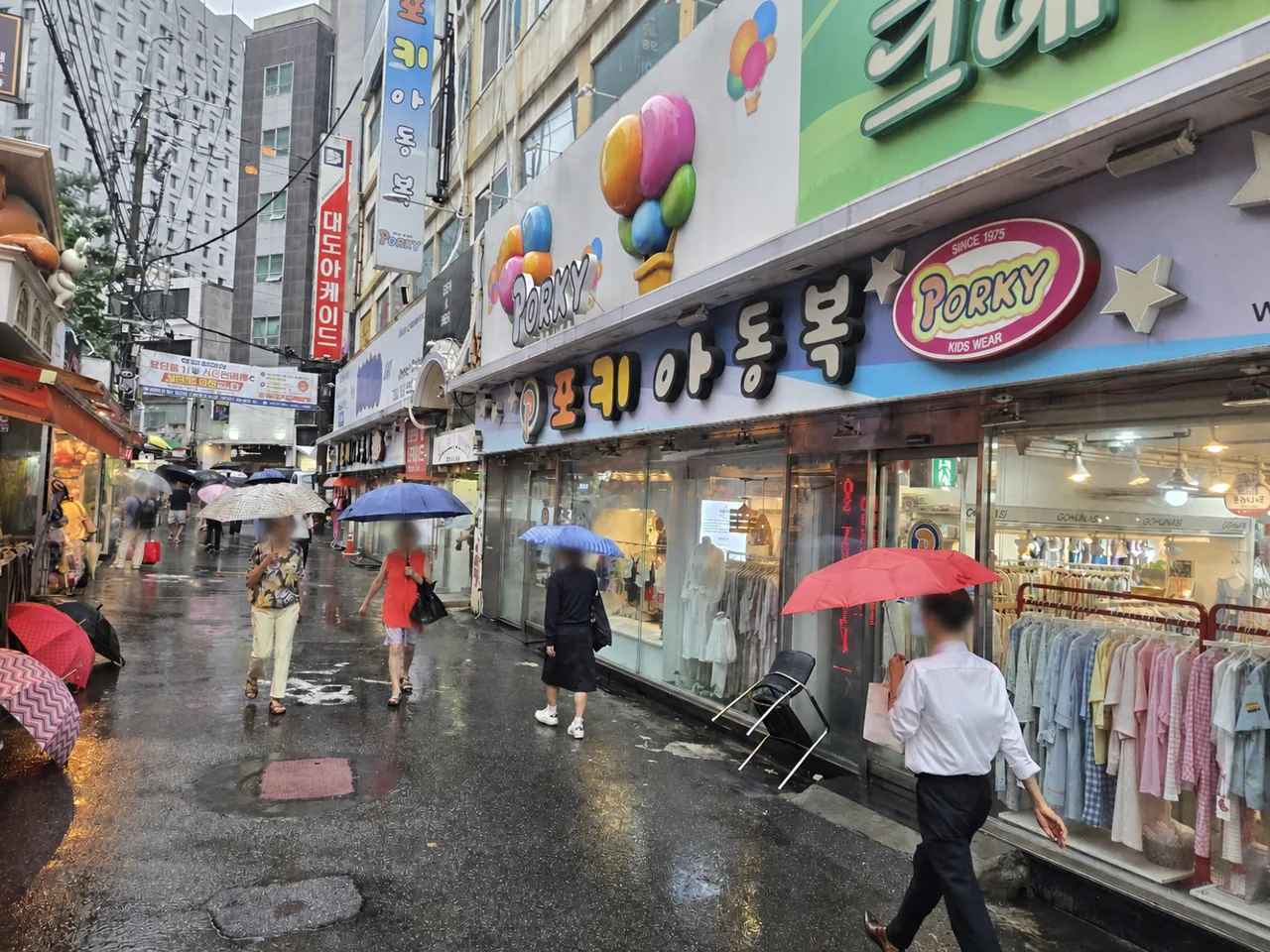
On a rainy afternoon in Namdaemun, I walked into a lane where almost every doorway was filled with tiny jackets, pajamas, hats, and baby clothes. The choice was much wider than I expected, and the shops felt less like polished mall boutiques and more like working market businesses. If you are visiting Seoul with children—or shopping for a young relative—this is one of the most practical places to browse.
Quick answer: The Namdaemun children’s clothing market is one of Seoul’s largest concentrations of baby- and kidswear wholesalers and retailers. It sits inside Namdaemun Market, which the Seoul Metropolitan Government describes as Korea’s largest traditional market. Families should visit during the daytime retail hours, usually around 9:30 a.m. to 5:00 p.m. for the best-known buildings, and enter from Hoehyeon Station Exit 6. Hours, payment methods, exchange rules, and retail availability can differ by seller.
Namdaemun Children’s Clothing Market at a Glance
| What to know | Practical information |
|---|---|
| Area | Namdaemunsijang 8-gil, Jung-gu, Seoul |
| Nearest subway | Hoehyeon Station, Seoul Subway Line 4 |
| Best exit | Exit 6 |
| Walk from station | About 109–141 meters to Porky Kids and Burdeng, according to Visit Seoul |
| Good time for families | Daytime, approximately 9:30 a.m.–5:00 p.m. |
| Night wholesale sessions | Approximately 10:00/10:30 p.m.–4:00/5:00 a.m., depending on the building |
| Important note | Each building and shop can set different hours, days off, payment methods, order rules, and exchange policies |
Information checked August 29, 2026. For example, Visit Seoul lists Burdeng’s daytime hours as 9:30 a.m.–5:00 p.m. and Porky Kids’ daytime hours as 9:30 a.m.–5:00 p.m. Holiday schedules can change, so confirm with the specific shop or building before making a special trip.
Why This Market Is Different
This district is not a single department store. It is a cluster of children’s clothing buildings and small businesses inside the wider Namdaemun Market. That matters because you can compare many shops within a compact area instead of traveling across Seoul.
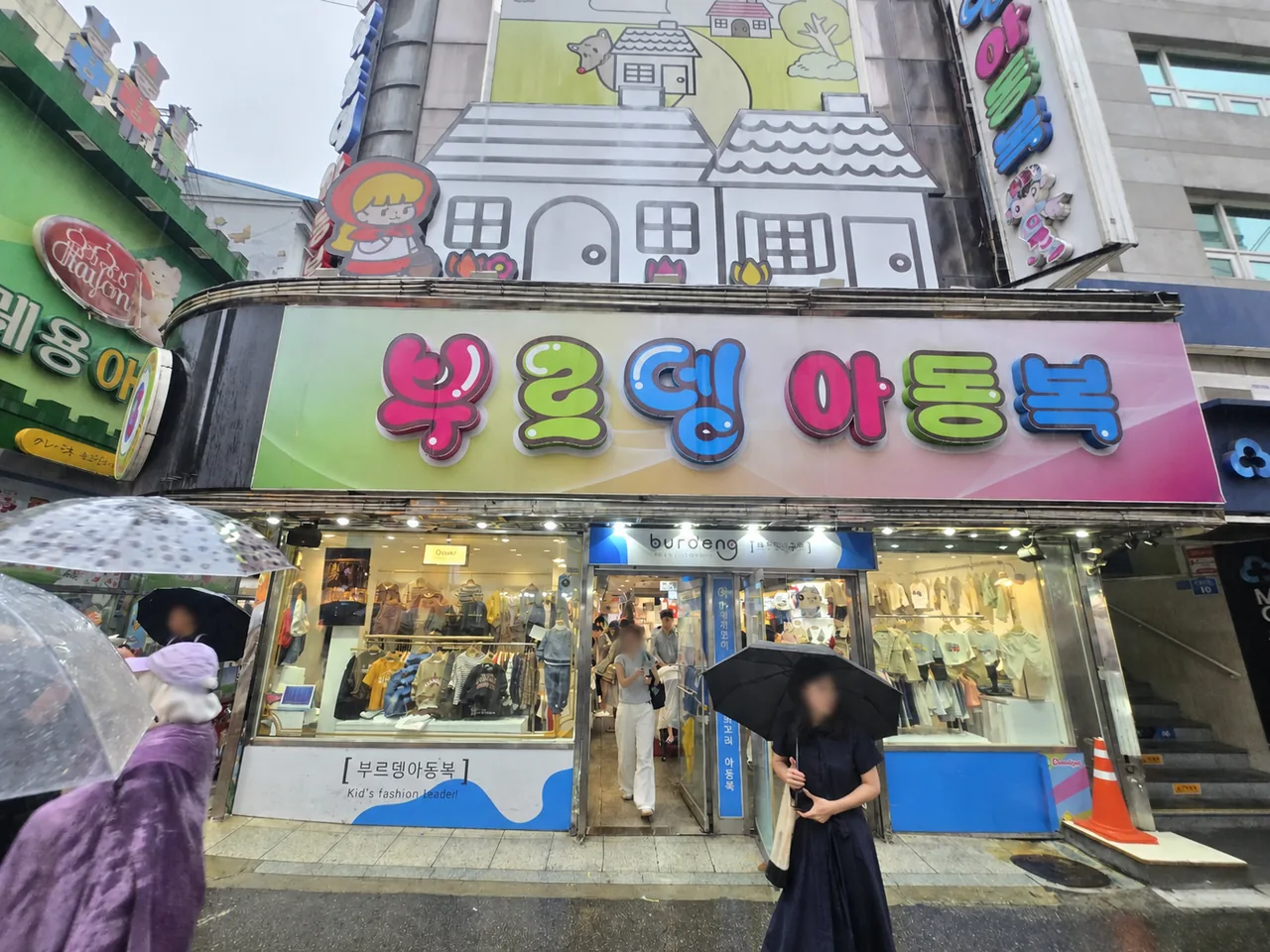
The wholesale character also shapes what you see. Shops often display many styles close together, new stock moves quickly, and some businesses operate separate daytime retail and late-night wholesale sessions. Visit Seoul describes Burdeng as a manufacturing-and-retail complex whose companies design, produce, and sell children’s clothing directly. This helps explain why prices can feel competitive, but it does not mean every item is automatically the cheapest option.
What You Can Find
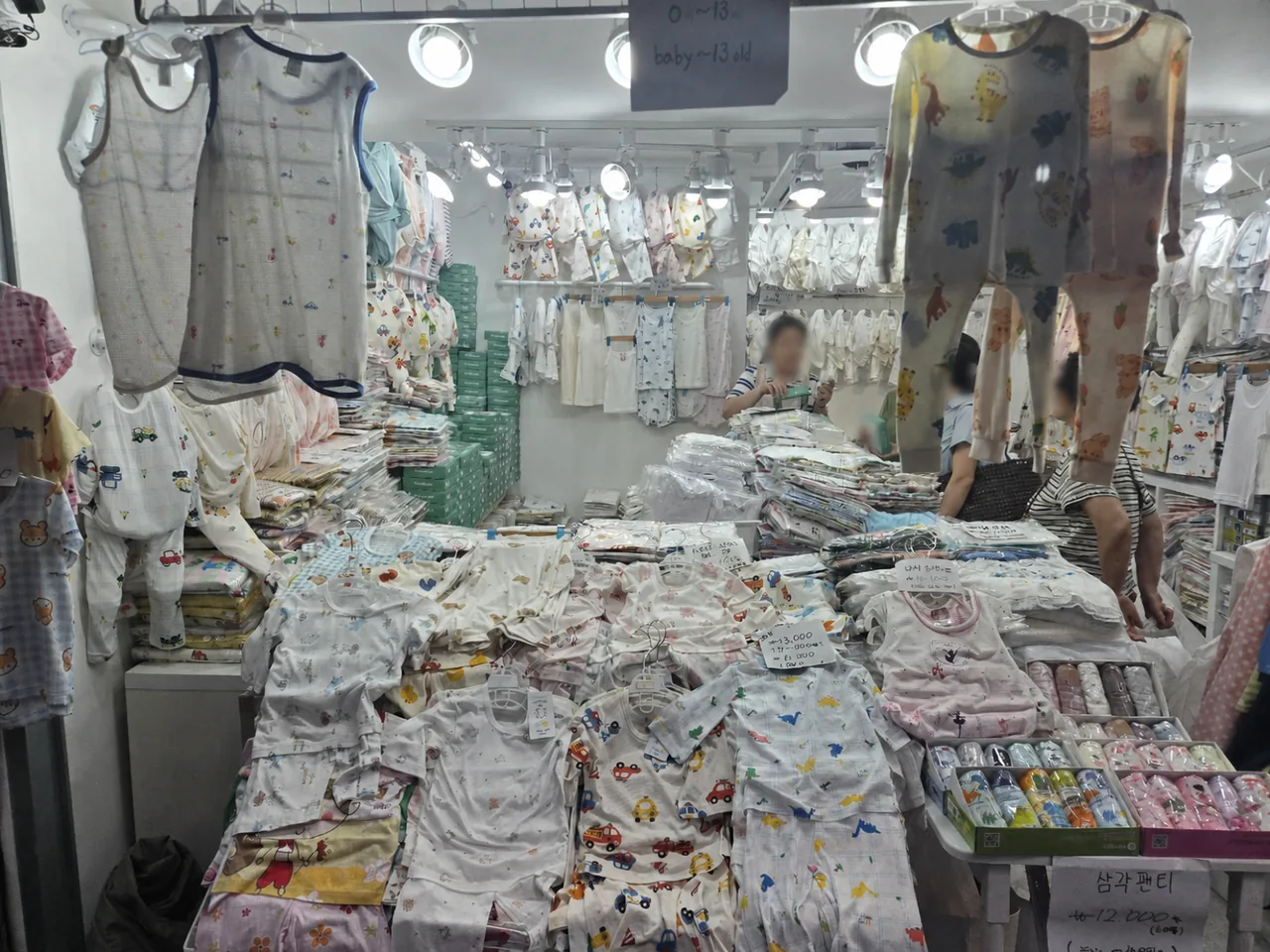
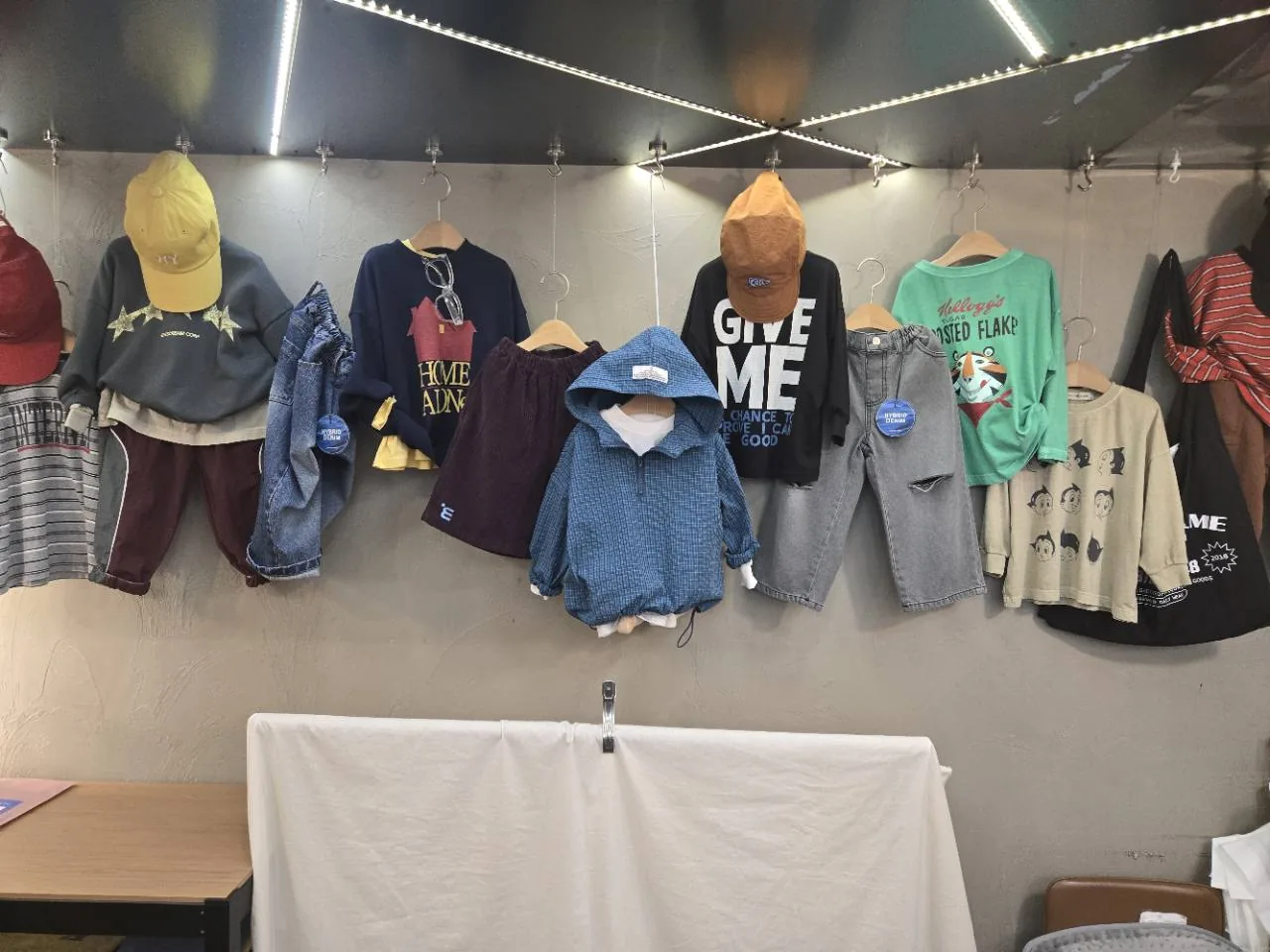
The selection is broader than “cute kids’ outfits.” On my visit, I saw newborn basics, lightweight sleepwear, indoor sets, casual tops, pants, coordinated outfits, hats, socks, and seasonal layers. Some shops specialize in a narrow age range, while others cover babies through older children.
- Newborn and baby clothing: bodysuits, sleepwear, blankets, bibs, and gift sets
- Toddler and children’s clothing: T-shirts, dresses, pants, jackets, and coordinated sets
- Daycare and indoor wear: comfortable everyday pieces and pajama-style sets
- Seasonal items: summer fabrics, winter layers, hats, and accessories
- Made-in-Korea products: many items are produced in Korea, but check the individual label rather than assuming
Is It Really Cheap?
Namdaemun is known for relatively affordable children’s clothing, and official Seoul tourism information also emphasizes the direct production-and-sales structure at major complexes. Still, there is no single market-wide price. The final cost depends on the shop, fabric, season, design, quantity, and whether the item is sold at retail or wholesale.
My advice is simple: do not buy the first item you see. Photograph or note the shop location, compare two or three sellers, and then decide. Prices and designs can look similar from a distance but differ in material and finish. Ask whether the displayed price is for one piece or a set, whether it includes tax, and whether card payment changes anything.
Daytime Retail vs. Nighttime Wholesale
This is the most important detail for travelers. Namdaemun’s children’s clothing businesses often serve two different groups at different times. The daytime session is the practical choice for families and individual shoppers. The late-night session is primarily built around wholesale buyers and can have different purchase conditions.
For family travelers
Go during the day, ideally on a weekday morning or early afternoon. You will have more time to ask about sizes, inspect labels, and compare shops. Do not assume a wholesale minimum applies, but do not assume every seller offers single-item retail either—ask first.
For professional buyers
Night business hours vary by building. Visit Seoul currently lists Burdeng’s night session as 10:00 p.m.–5:00 a.m. and Porky Kids as 10:30 p.m.–4:00 a.m. Burdeng’s night session is listed as closed Friday and Saturday, while its daytime session is closed Sunday. Do not treat those hours as a rule for every neighboring shop.
How to Get to Namdaemun Children’s Clothing Market
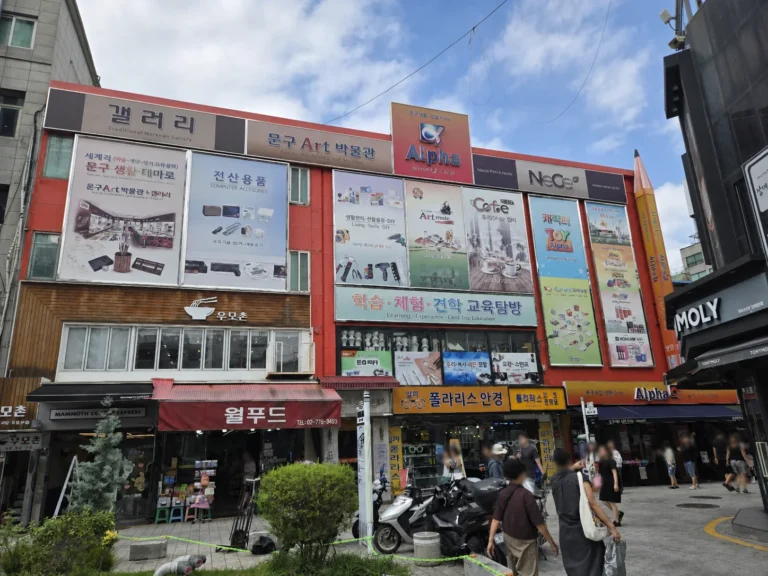
Take Seoul Subway Line 4 to Hoehyeon Station and use Exit 6. Visit Seoul places Porky Kids about 109 meters from the exit and Burdeng about 141 meters away. Once outside, walk toward Namdaemunsijang 8-gil and look for the colorful children’s clothing signs. The shops are concentrated in the same general lane, but individual entrances can be easy to miss in the busy market.
Two useful reference points are Porky Kids at 16 Namdaemunsijang 8-gil and Burdeng at 14 Namdaemunsijang 8-gil. Porky Kids opened in 1975 and is officially described by Visit Seoul as the largest children’s clothing store in Namdaemun—not the largest in all of Seoul.
Uncle Choi’s Tips for Shopping with Children
- Bring measurements, not only an age. Korean sizing varies by brand. Note the child’s height, chest, waist, and usual garment measurements.
- Check the care and material label. “Made in Korea” does not describe fabric content, washing method, or skin sensitivity.
- Inspect each item before paying. Look at seams, zippers, buttons, stains, and matching set pieces.
- Ask about exchanges immediately. Market stores may have stricter or shorter exchange policies than department stores, and some sale items may be final.
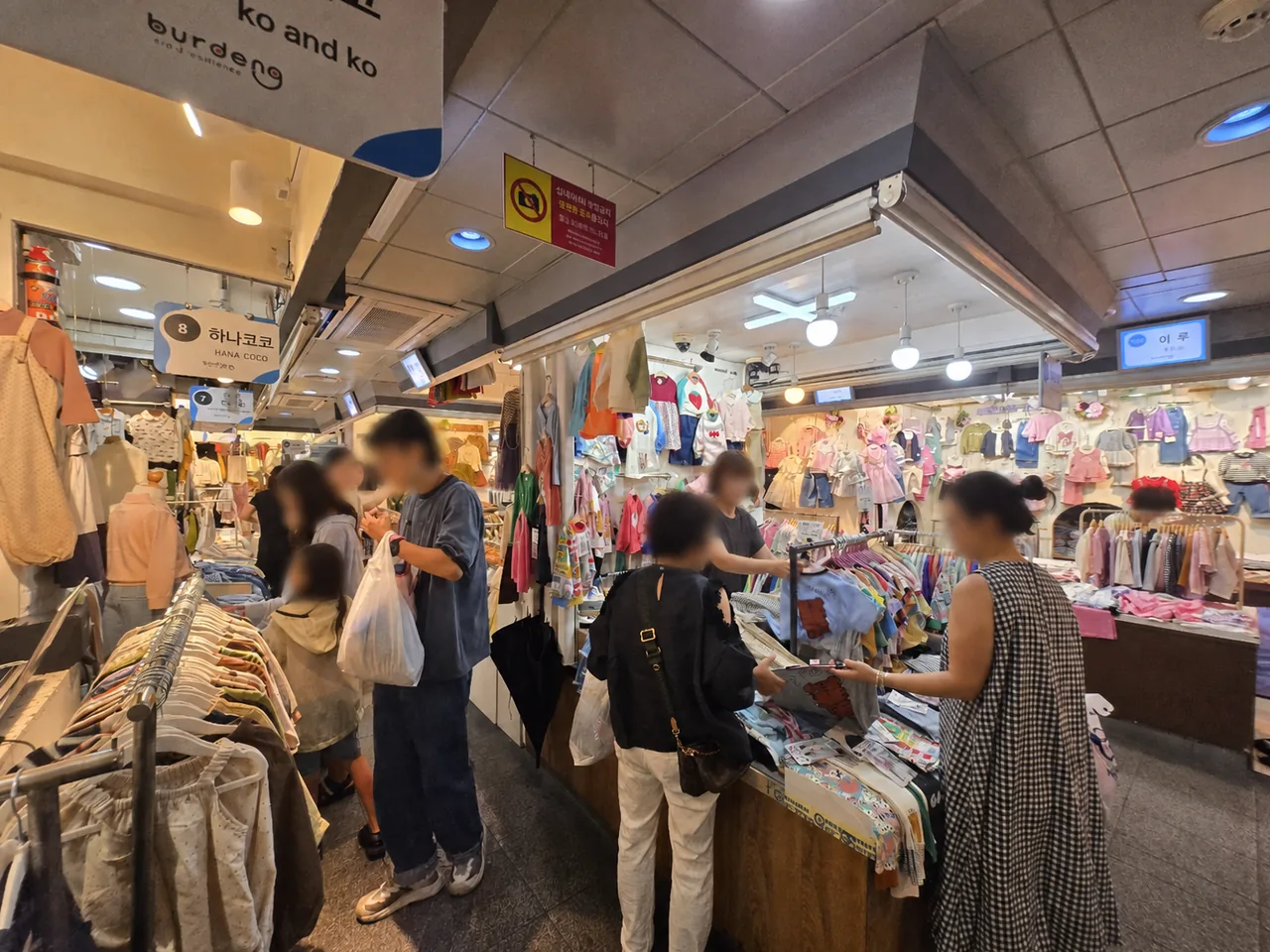
- Use a compact stroller if possible. Market lanes and indoor aisles can be narrow, crowded, or uneven.
- Save the shop location. Take a photo of the sign or business card. Similar-looking passages make it surprisingly easy to lose a store.
- Compare payment options. Card acceptance and cash preferences differ. Ask before the seller packs the item.
Make It Part of a Namdaemun Day
You do not need to make children’s clothing the only purpose of your trip. Namdaemun has more than 20,000 wholesale and retail shops, according to the Seoul Metropolitan Government, so families can combine clothes shopping with food, souvenirs, and ordinary market browsing.
If you need a snack, my Namdaemun vegetable hotteok guide explains where to find one of the market’s most popular street foods. For a wider comparison, see my Seoul food markets guide. Families interested in toys can also save the Dongdaemun Toy & Stationery Street guide for a separate shopping stop near Dongdaemun.
Is Namdaemun Children’s Clothing Market Worth Visiting?
Yes—especially if you want to compare many baby and children’s clothing shops in one place. The main advantages are variety, competitive pricing, and access by subway. The trade-offs are crowded lanes, inconsistent shop policies, and the need to check sizes and quality yourself.
For a family visiting Seoul, I would plan 60 to 90 minutes here during the daytime. Come with measurements, keep expectations flexible, and enjoy the market as a search rather than a guaranteed bargain. That approach makes Namdaemun much more rewarding.
Frequently Asked Questions
Can tourists buy single items at Namdaemun children’s clothing market?
Many daytime shops sell individual items, but policies differ. Ask whether retail purchase is available and whether the displayed price is per item or per set before paying.
What are the market’s opening hours?
Major complexes such as Burdeng and Porky Kids list daytime hours around 9:30 a.m.–5:00 p.m. and separate late-night wholesale sessions. Individual shops and holiday schedules vary, so check the specific store on the day of your visit.
Which subway exit is closest?
Use Hoehyeon Station on Line 4, Exit 6. The best-known children’s clothing buildings are approximately 109–141 meters from the exit.
Are the clothes made in Korea?
Many products are made in Korea, and some businesses design and produce their own lines. However, origin varies by product. Check the garment label if manufacturing country matters to you.
Is the market stroller-friendly?
A compact stroller is manageable, but narrow indoor aisles, busy lanes, and uneven surfaces can be difficult during peak periods. A weekday daytime visit is usually easier than a crowded weekend.
Can I exchange or return clothes?
Exchange and return rules are set by each seller. Confirm the deadline, receipt requirement, and whether sale items can be exchanged before you buy.
About the author: Uncle Choi is a Seoul-based local editor who visits the places he writes about for SeoulExperience.com. The five photographs in this guide were taken on location and prepared for reader privacy.
Official references: Visit Seoul listings for Burdeng Children’s Clothing and Porky Kids; Seoul Metropolitan Government information on Namdaemun Market. Details checked August 29, 2026.