Jongmyo Shrine & Seosulla-gil: Seoul’s Quiet-to-Lively Walk
Jongmyo Shrine Seoul and nearby Seosulla-gil make one of central Seoul’s most satisfying half-day contrasts: a UNESCO royal shrine wrapped in trees, followed by a narrow, lively lane where the city returns at café-table level. Start slowly inside Jongmyo, then walk toward Seosulla-gil as the afternoon light softens. It is a route I recommend when you want history, a genuine pause, and an easy transition into the evening without crossing the city.
Quick answer: why pair Jongmyo and Seosulla-gil?
| Best for | Travelers who want heritage, a calm walk and a casual evening in one compact area. |
|---|---|
| Suggested time | Allow roughly 2.5–4 hours, depending on your visit format at Jongmyo and how long you linger on Seosulla-gil. |
| The mood | Quiet forest and ritual architecture first; cafés, small venues and street energy afterward. |
| Good starting point | Jongno 3-ga Station. Visit Seoul lists Exit 8 at about 220 m from Jongmyo. |
Begin with the stillness of Jongmyo Shrine Seoul
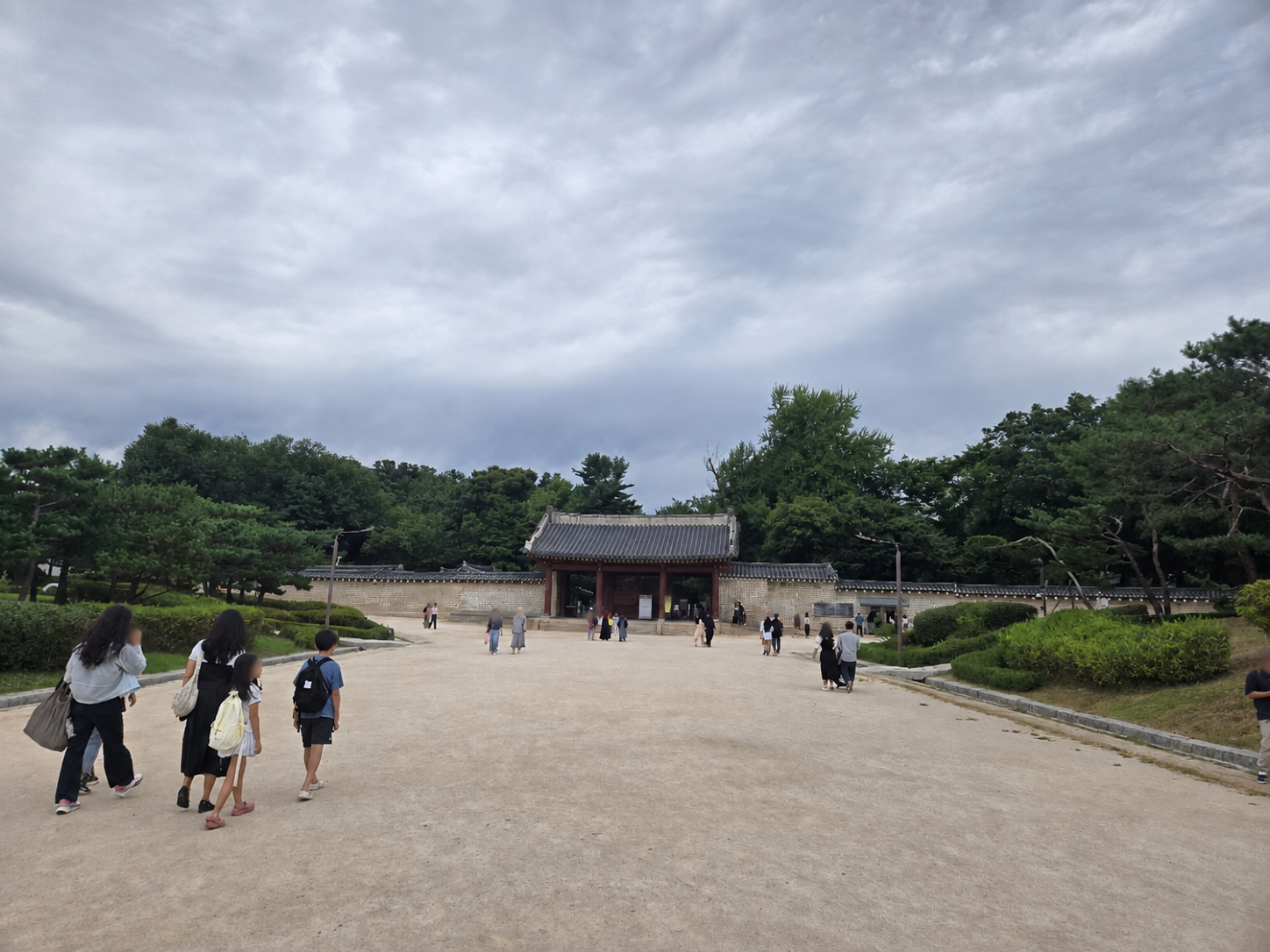
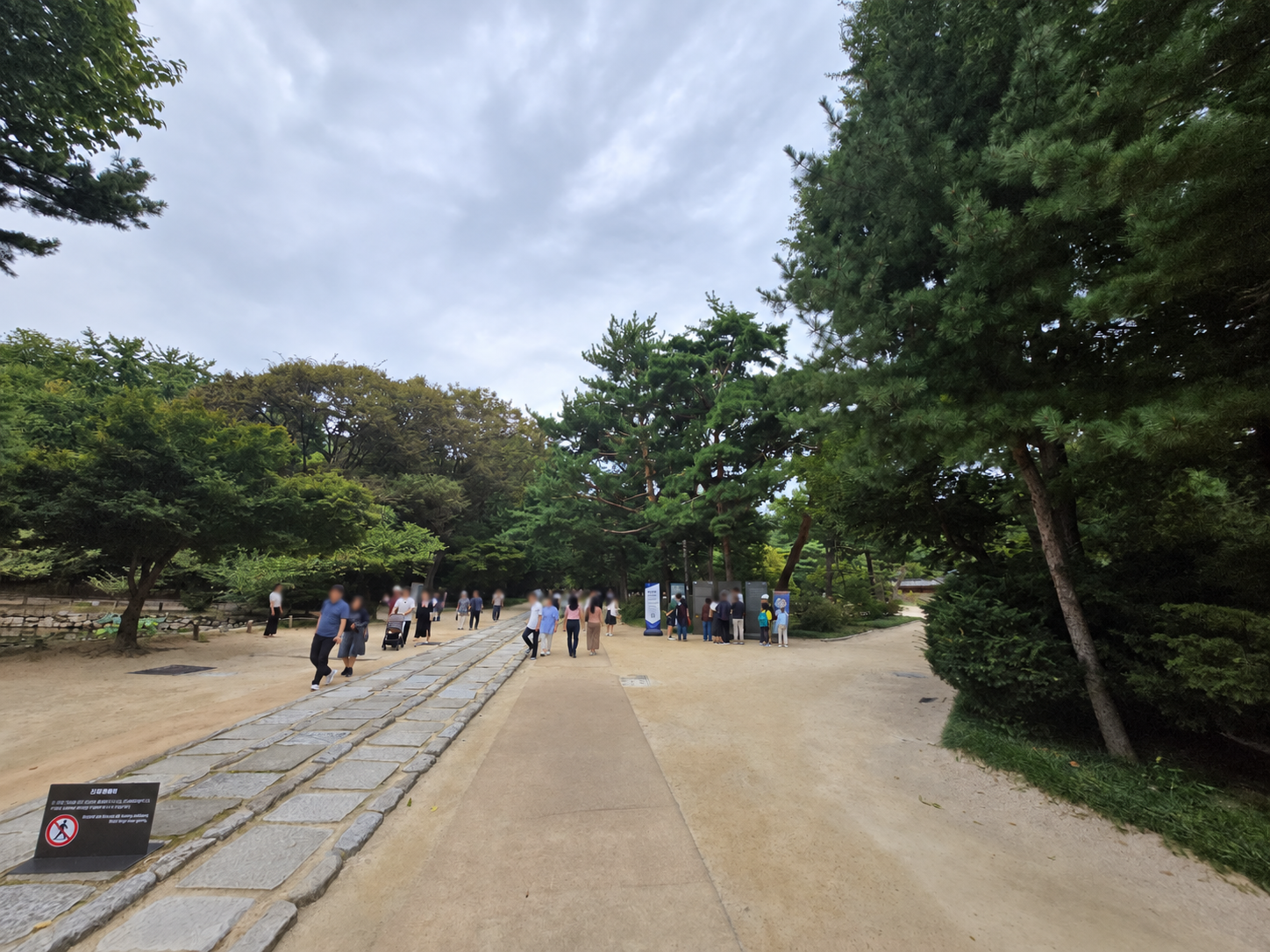
Jongmyo Shrine Seoul is the place I suggest when the pace of the city starts to feel too fast. Tall pines, broad earth paths and long, low wooden halls form a surprisingly deep pocket of calm just off busy Jongno. It is not only a historic stop: the relationship between the courtyard, the forest and the rooflines gives the visit a rare feeling of space.
Jongmyo was the royal ancestral shrine of the Joseon dynasty. UNESCO inscribed it as a World Heritage site in 1995, recognizing the exceptional continuity of its Confucian shrine layout and ritual tradition. The main hall, Jeongjeon, enshrines the spirit tablets of Joseon kings and queens; the Jongmyo Jerye ancestral rite is accompanied by traditional music and dance.
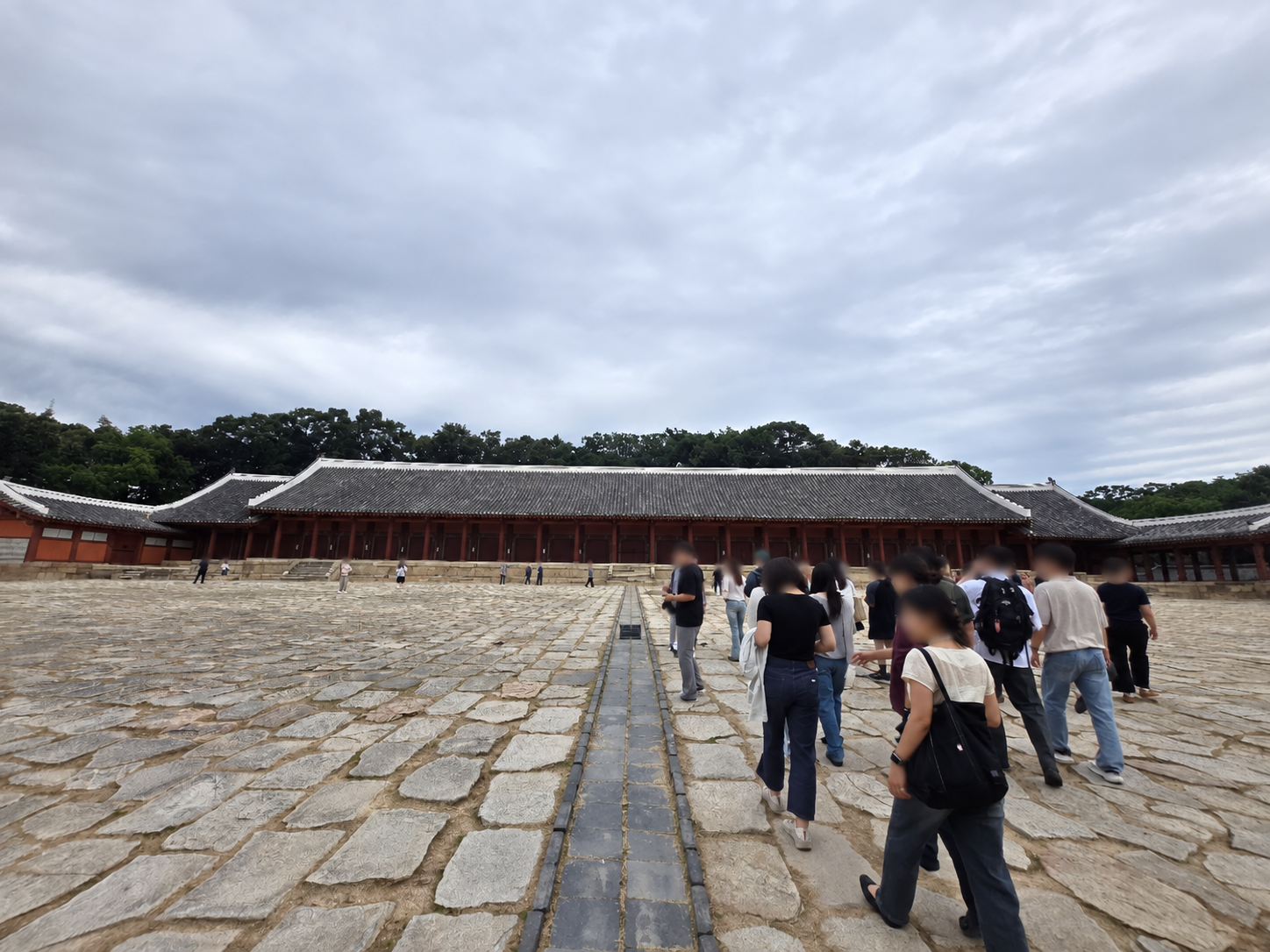
Do not arrive expecting a palace full of dramatic rooms. Jongmyo’s power is restraint. Move slowly, look up at the timber structure, and let the trees mute the surrounding traffic. For a visitor who has spent the morning in markets, museums or shopping streets, that change in rhythm is the point.
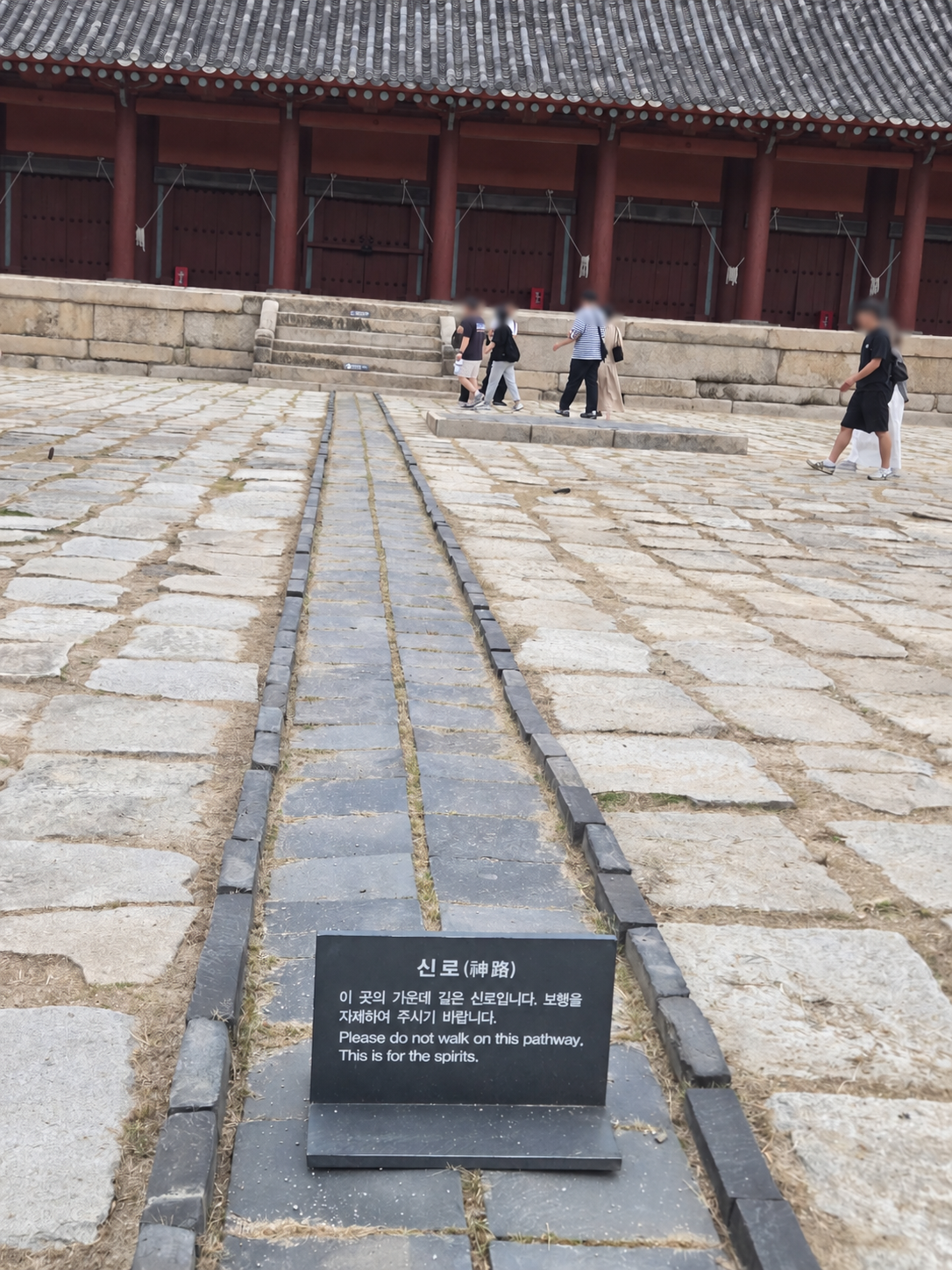
One small rule that matters: the spirit path
In the main courtyard, you will notice a raised central way leading toward the shrine. This is the sinro, or spirit path. The on-site signs ask visitors not to walk on it, so keep to the side paths. It is an easy act of respect and a useful reminder that Jongmyo remains a ritual space, not simply a photo backdrop.
Then change gears on Seosulla-gil
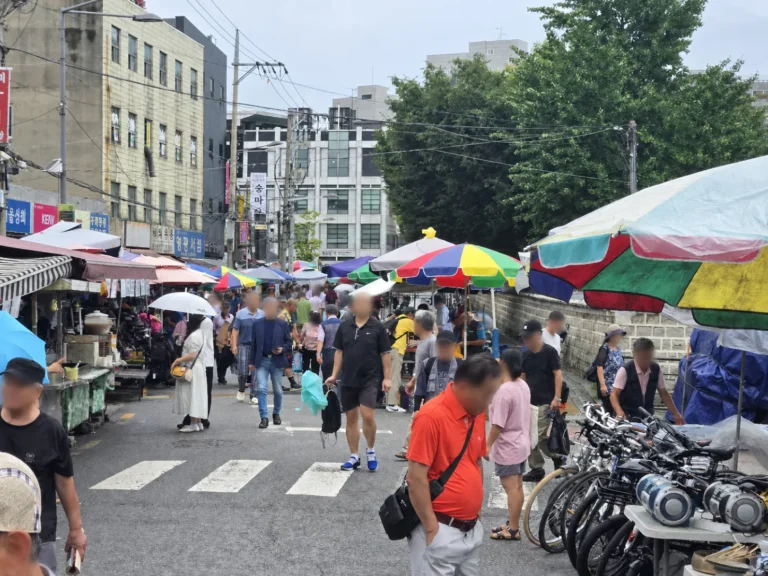
After Jongmyo, continue toward Seosulla-gil, the street that runs along the western side of the shrine area. The old wall stays close on one side while small shops, cafés and casual drinking spots create a much more animated counterpoint on the other. The appeal is not a single landmark; it is the shift from a protected historic landscape into an everyday Seoul evening.
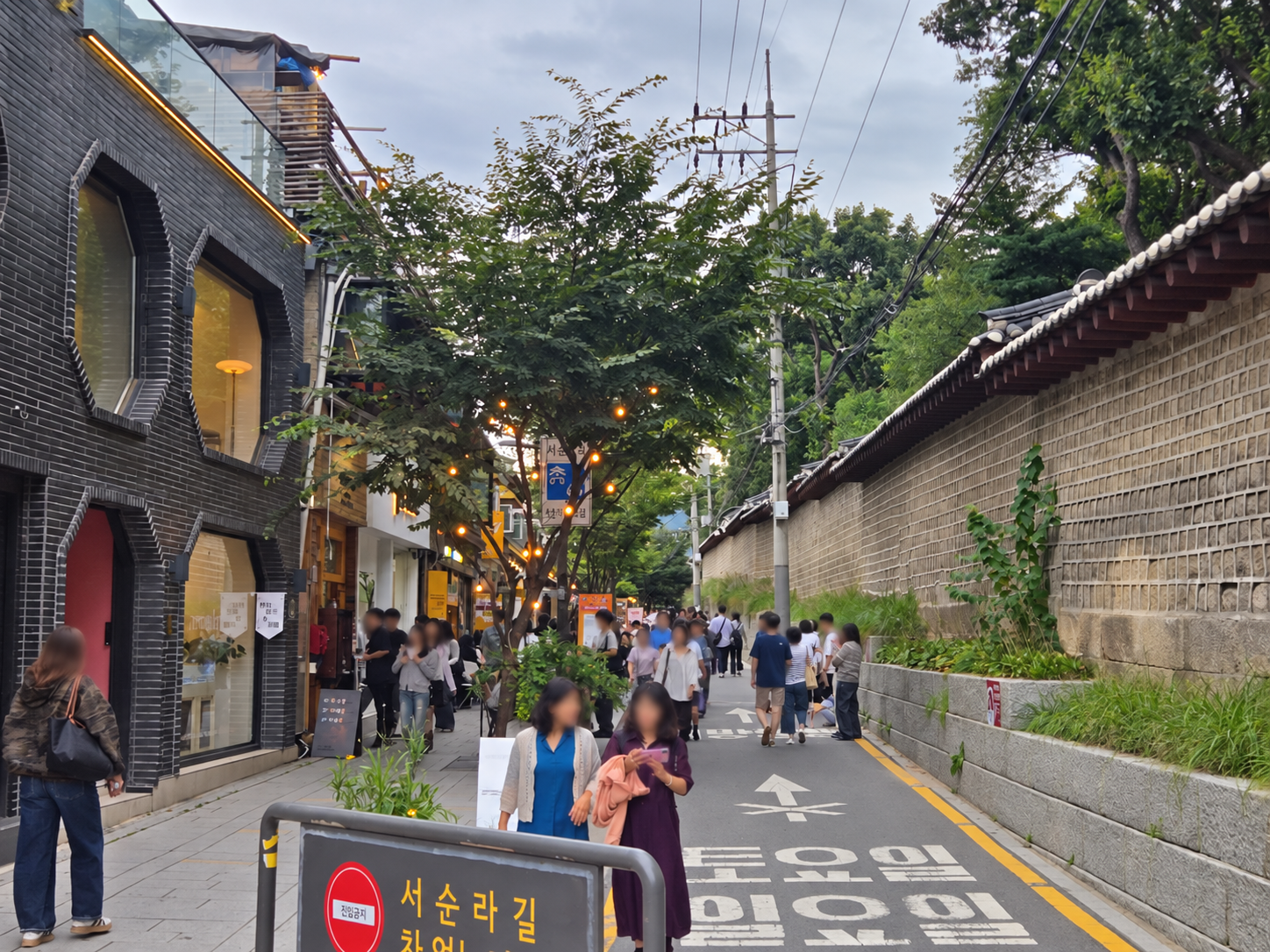
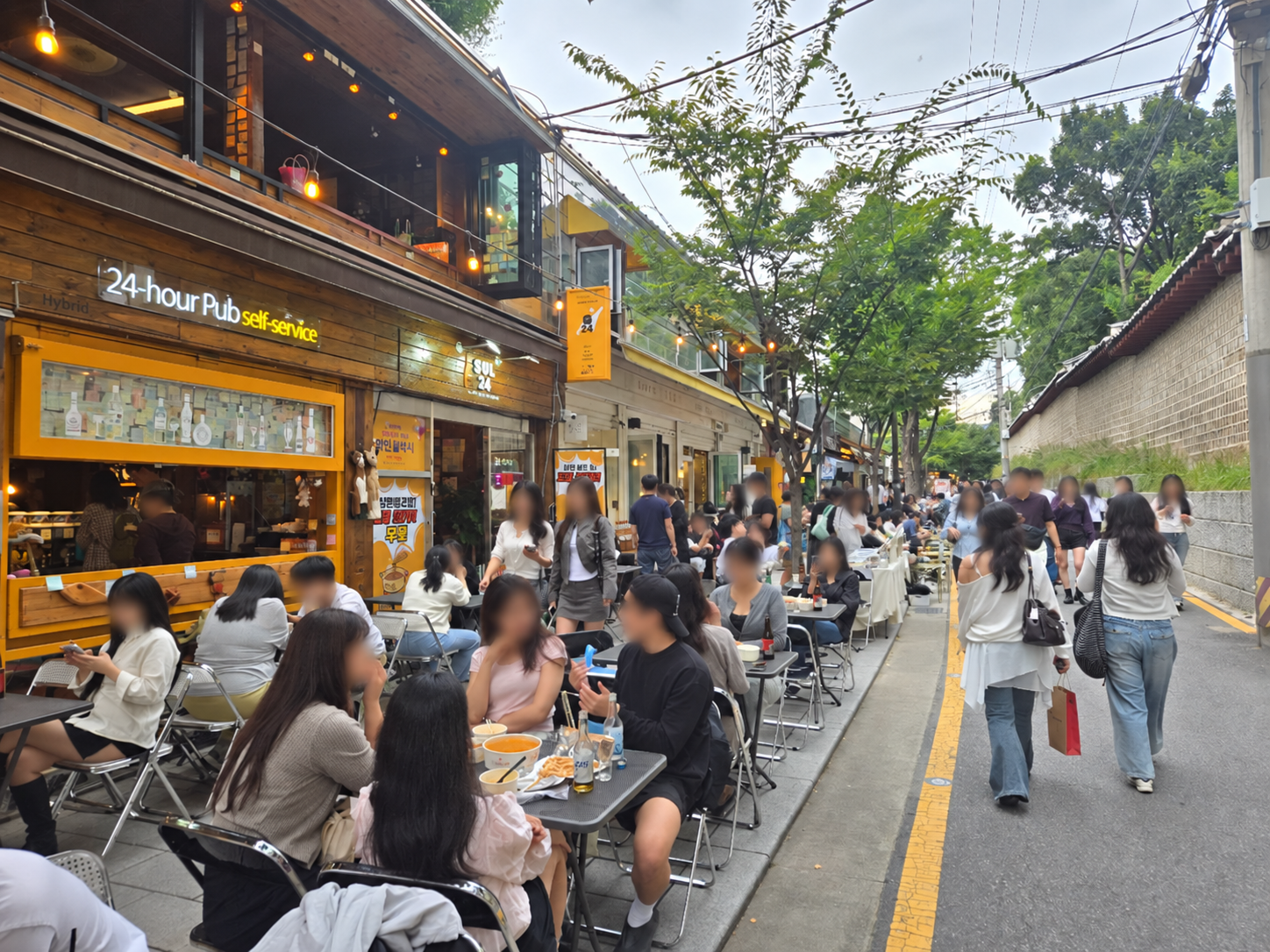
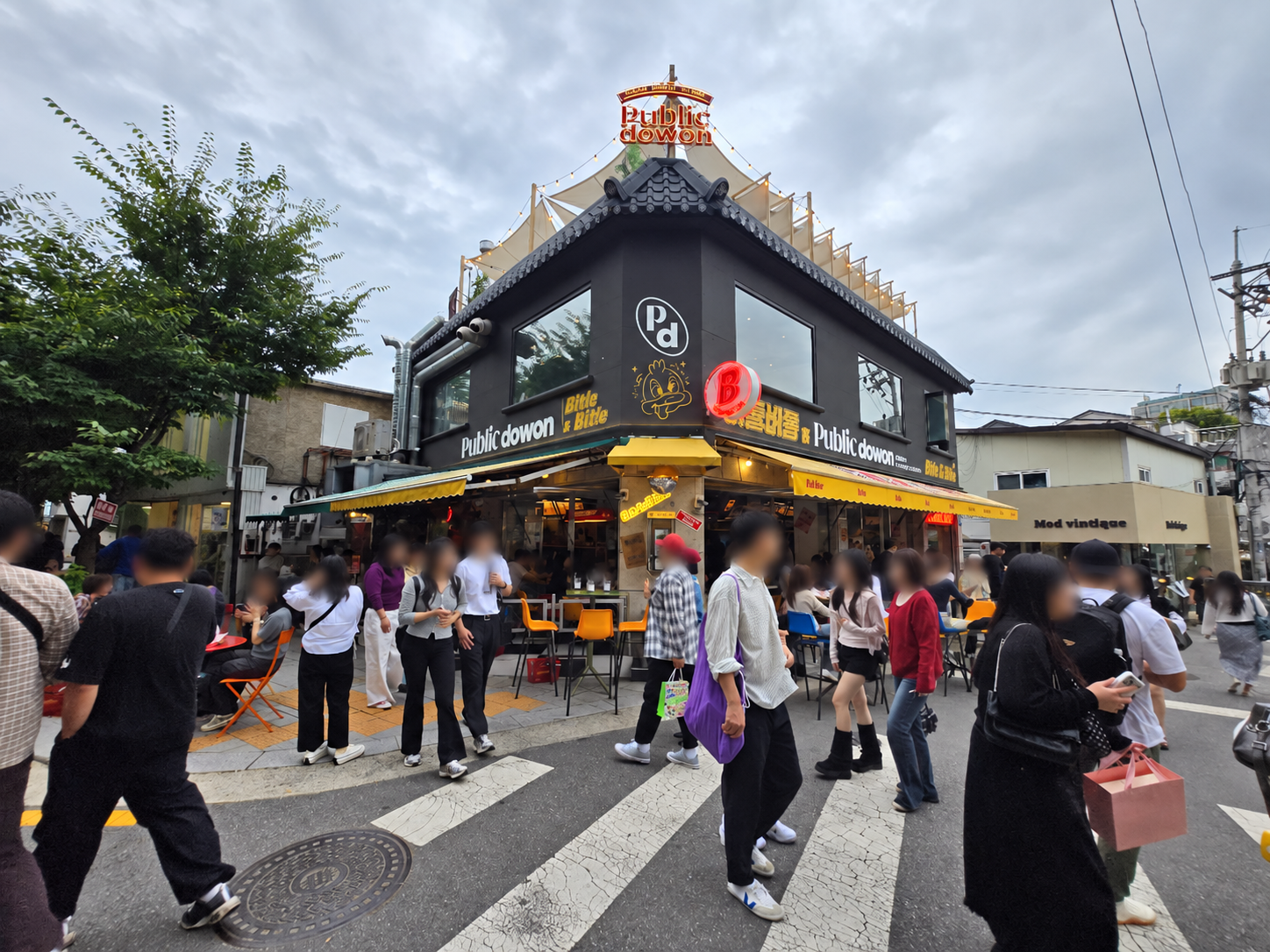
Come through in daylight if you want to notice the brick and stone textures, the trees, and how little distance separates Jongmyo’s quiet grounds from the neighborhood. Return or linger toward late afternoon if you want a busier atmosphere. Tables begin to fill, conversations spill out onto the pavement and the lane becomes much more social. That contrast is exactly why I would not treat Seosulla-gil as an afterthought to Jongmyo.
What the street feels like
Seosulla-gil is compact, informal and best experienced without a strict checklist. You can choose a café, a simple meal or a drink based on what looks inviting at the time. Some spaces occupy older, hanok-influenced buildings; others have a more contemporary, street-facing feel. The right choice depends on the queue, the weather and whether you want to keep moving or settle in.
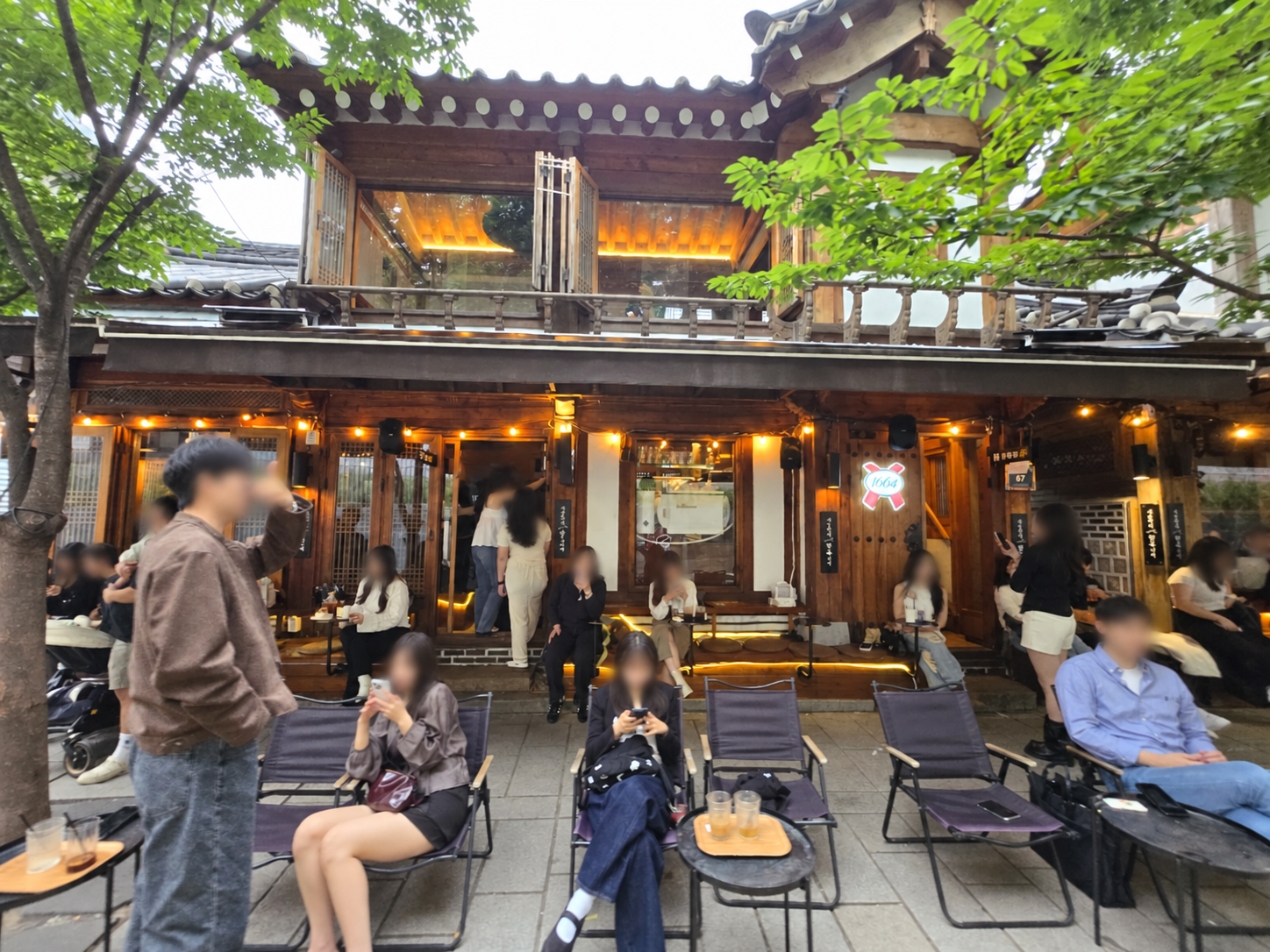
The lane can become crowded, particularly in the evening and on weekends. That is part of its current appeal, but it also means it is better for a relaxed wander than a completely quiet drink. If you are visiting with a stroller, large luggage or anyone who dislikes crowds, arrive earlier and keep your plan flexible.
A simple half-day sequence
- Start at Jongmyo: give the shrine your full attention rather than rushing through it.
- Pause after the grounds: take a moment outside before moving on; the contrast is more noticeable when you do not hurry.
- Walk Seosulla-gil: follow the energy of the street rather than chasing one named venue.
- Finish when the mood suits you: have a coffee in the afternoon or stay for food and a drink as evening arrives.
Practical Jongmyo visit notes
- Address: 157 Jong-ro, Jongno-gu, Seoul.
- Transit: Jongno 3-ga Station, Exit 8 is listed by Visit Seoul as about 220 m away.
- Entry format: weekday visits commonly use designated guided-entry times; regular admission is generally offered on weekends, public holidays and the last Wednesday of the month. Check the official visitor information before setting out.
- Hours and tickets: seasons, holidays and operations can change. VisitKorea currently lists a standard adult admission fee of KRW 1,000, Tuesday closure and last admission one hour before closing; reconfirm those details on the day of your visit.
FAQ
Can I visit Jongmyo and Seosulla-gil in one afternoon?
Yes. They work especially well together because Seosulla-gil is immediately alongside the western side of the Jongmyo area. Allow extra time if you are joining a guided entry at Jongmyo or want to eat on the street.
Is Seosulla-gil a quiet neighborhood?
In daylight it can feel relatively calm next to the shrine wall. By evening, it is often much livelier, with more people and outdoor seating. Go early for the slower version; go later for the atmosphere.
Do I need a map for this route?
Use your preferred live map app for the final walking route and entrance details. The appeal of this pairing is its proximity, but venue hours, temporary closures and the most convenient route can change.