Gwanghwamun Square & Sejong Center: A Local Guide
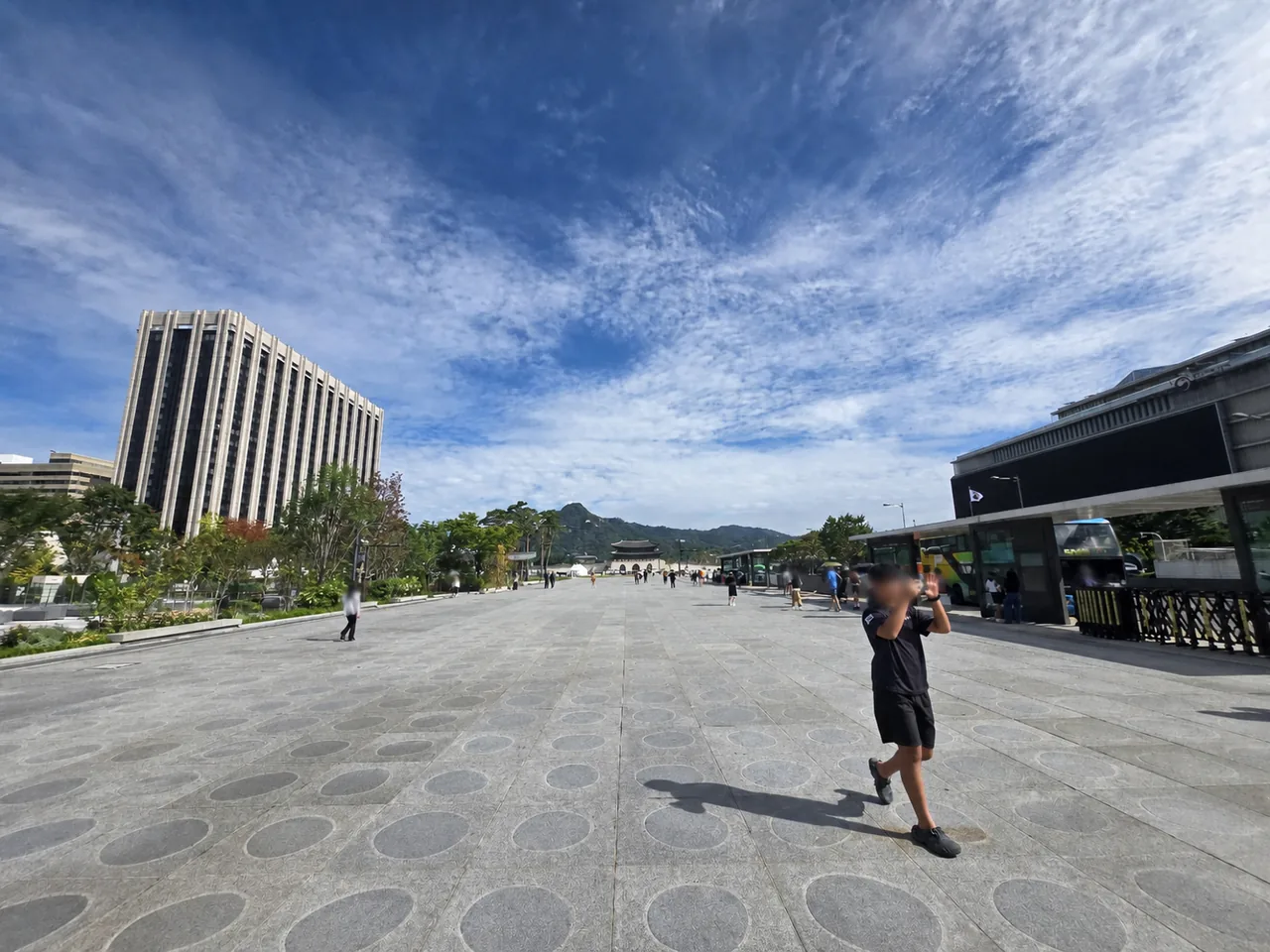
Gwanghwamun Square is where Seoul’s royal history and modern public life meet in one long, open view. Stand near the center and you can frame the statue of King Sejong, Gwanghwamun Gate, and Bugaksan Mountain on the same north-facing axis. Turn west and the Sejong Center for the Performing Arts is only a few steps away. I have crossed this square many times, but on a clear day it still makes me stop and take another photo.
Quick Answer
Gwanghwamun Square is a free, 24-hour public square in central Seoul, directly in front of Gyeongbokgung Palace. Come for the statues of King Sejong the Great and Admiral Yi Sun-sin, the clear view of Gwanghwamun Gate, and the feeling of standing in one of Korea’s most symbolic civic spaces. Allow 30–60 minutes for the square, or combine it with a palace visit and a performance or exhibition at the adjacent Sejong Center. The official access point is Gwanghwamun Station on Subway Line 5, Exit 7.
Gwanghwamun Square at a Glance
| Item | Practical information |
|---|---|
| Address | 172 Sejong-daero, Jongno-gu, Seoul |
| Opening | Open 24 hours; individual facilities and events have separate hours |
| Admission | Free for the outdoor square |
| Nearest subway | Gwanghwamun Station, Line 5, Exit 7 |
| Alternative access | Gyeongbokgung Station, Line 3, Exit 6 |
| Best for | Palace views, statues, photography, walks, public events |
| Suggested time | 30–60 minutes without a palace or performance |
| Next stop | Sejong Center, Gyeongbokgung Palace, or nearby Isaac Toast |
Why Gwanghwamun Square Feels Different
Some city squares are mainly empty space between buildings. Gwanghwamun Square has a very clear direction. Gwanghwamun Gate and Bugaksan Mountain draw your eye north, while Sejong-daero stretches south through the center of Seoul. The renovated square reopened in 2022 with more greenery, shade, water features, and room for pedestrians.
For travelers, it is one of the easiest places to understand the layout of historic central Seoul. Gyeongbokgung is directly ahead, the Sejong Center is beside you, and Cheonggyecheon Stream is a short walk south. If you are choosing which royal site to enter, read my practical comparison of Seoul’s palaces before you go.
The Two Statues You Should Not Miss
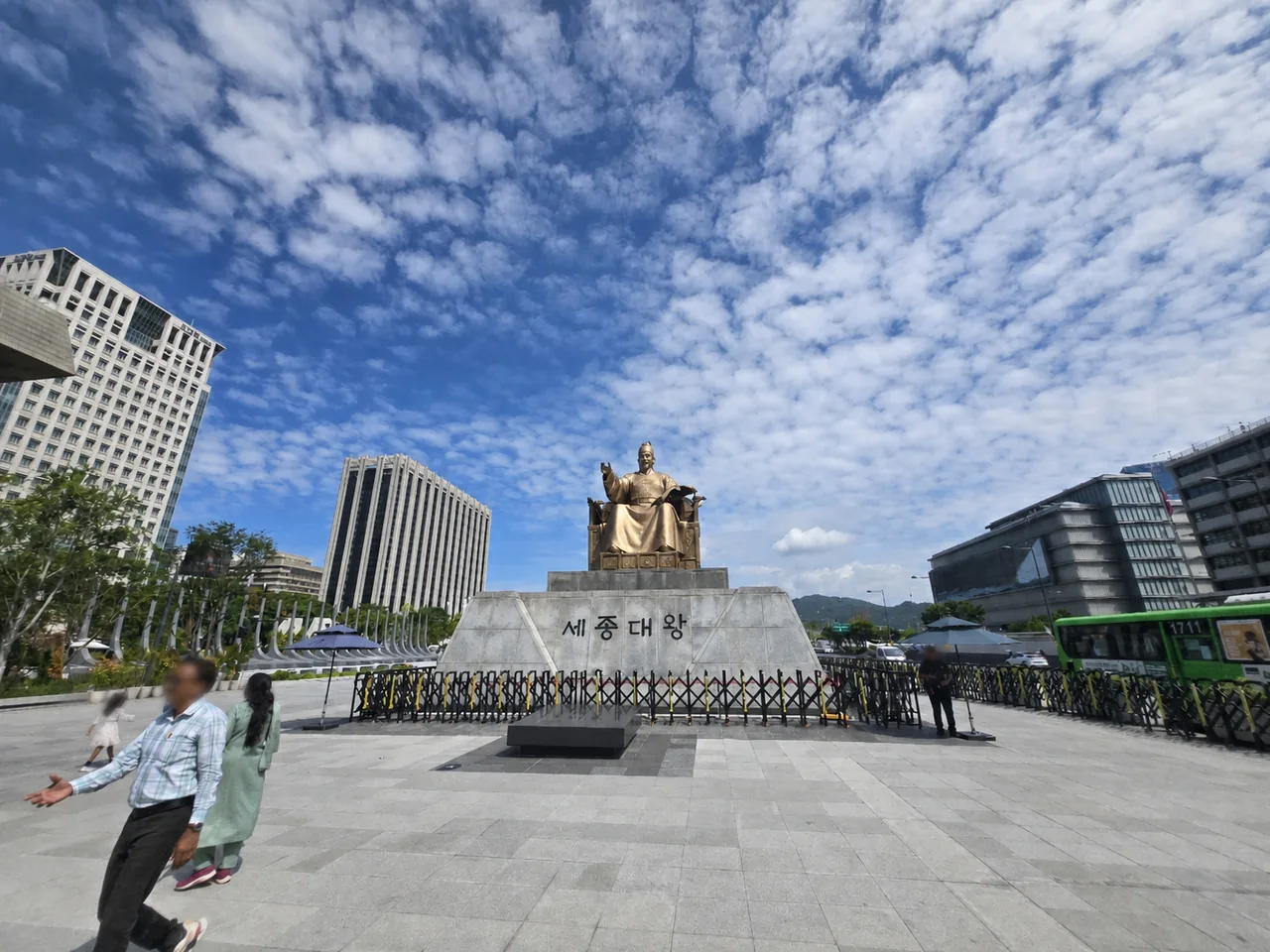
King Sejong the Great
The seated bronze figure of King Sejong is the square’s most recognizable landmark. He is remembered for major achievements in science, culture, and government, and most famously for the creation of Hangeul, the Korean alphabet. The statue also works as an easy meeting point because it is visible from a long distance.
Admiral Yi Sun-sin
Farther south stands Admiral Yi Sun-sin, the naval commander celebrated for defending Korea during the Japanese invasions of the late 16th century. His upright statue faces south along Sejong-daero. In warmer months, the fountain area near the statue can be lively, although fountain schedules change with weather, maintenance, and city energy measures.
My Best Photo Spots at Gwanghwamun Square
- Behind or beside the King Sejong statue: face north to place Gwanghwamun Gate and Bugaksan Mountain in the background.
- The wide central walkway: use the paving lines to lead the viewer toward the palace gate.
- Near the northern end: move closer when you want architectural detail instead of a broad city scene.
- Early morning: the square is usually calmer and the summer light is less harsh.
- After sunset: the illuminated gate and city buildings give the area a completely different mood.
My simple rule is to take one wide photo first and then walk north for a tighter gate shot. The square is long, so changing your position by only a few minutes can completely change the balance between the statue, gate, skyline, and mountain.
A Place Where Korea Gathers
Gwanghwamun Square is not only a sightseeing stop. It has long served as a stage for civic gatherings, national celebrations, cultural programs, demonstrations, and large public cheering events. During major football tournaments, Koreans have gathered here to watch and cheer together. During important political moments, the square and the surrounding Sejong-daero area have also filled with citizens.
That public role is part of the place. It explains why the same square can feel peaceful on one morning and intensely energetic on another evening. If a large event or rally is scheduled, expect security barriers, crowds, and temporary changes to bus routes or walking paths. Check the official Gwanghwamun Square website before a time-sensitive visit.
Continue to Sejong Center for the Performing Arts
The Sejong Center for the Performing Arts sits directly along the western side of Gwanghwamun Square at 175 Sejong-daero. It is one of Seoul’s best-known cultural venues and hosts large musicals, classical concerts, dance, theater, exhibitions, and major Korean productions. You do not need a ticket just to walk over, look at the architecture, or check what is playing.
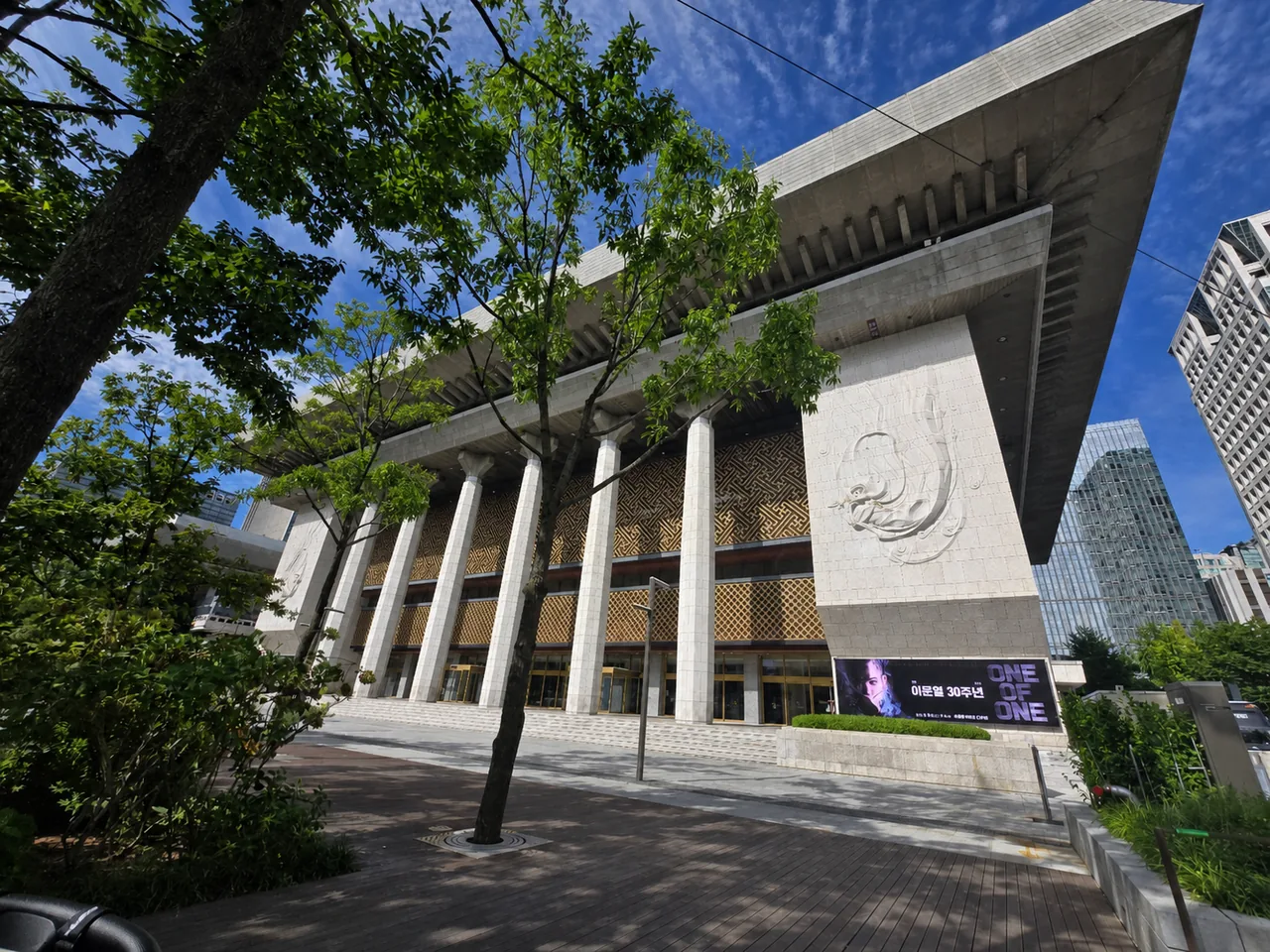
What Was Playing During My Visit
When I photographed the building in August 2026, Korean illusionist Lee Eungyeol’s 30th-anniversary production ONE OF ONE was at the Grand Theater. The official run was August 22 to September 6, 2026. I like including this detail because it shows what the area feels like in real life: you may arrive to photograph a historic square and discover a major contemporary Korean production next door.
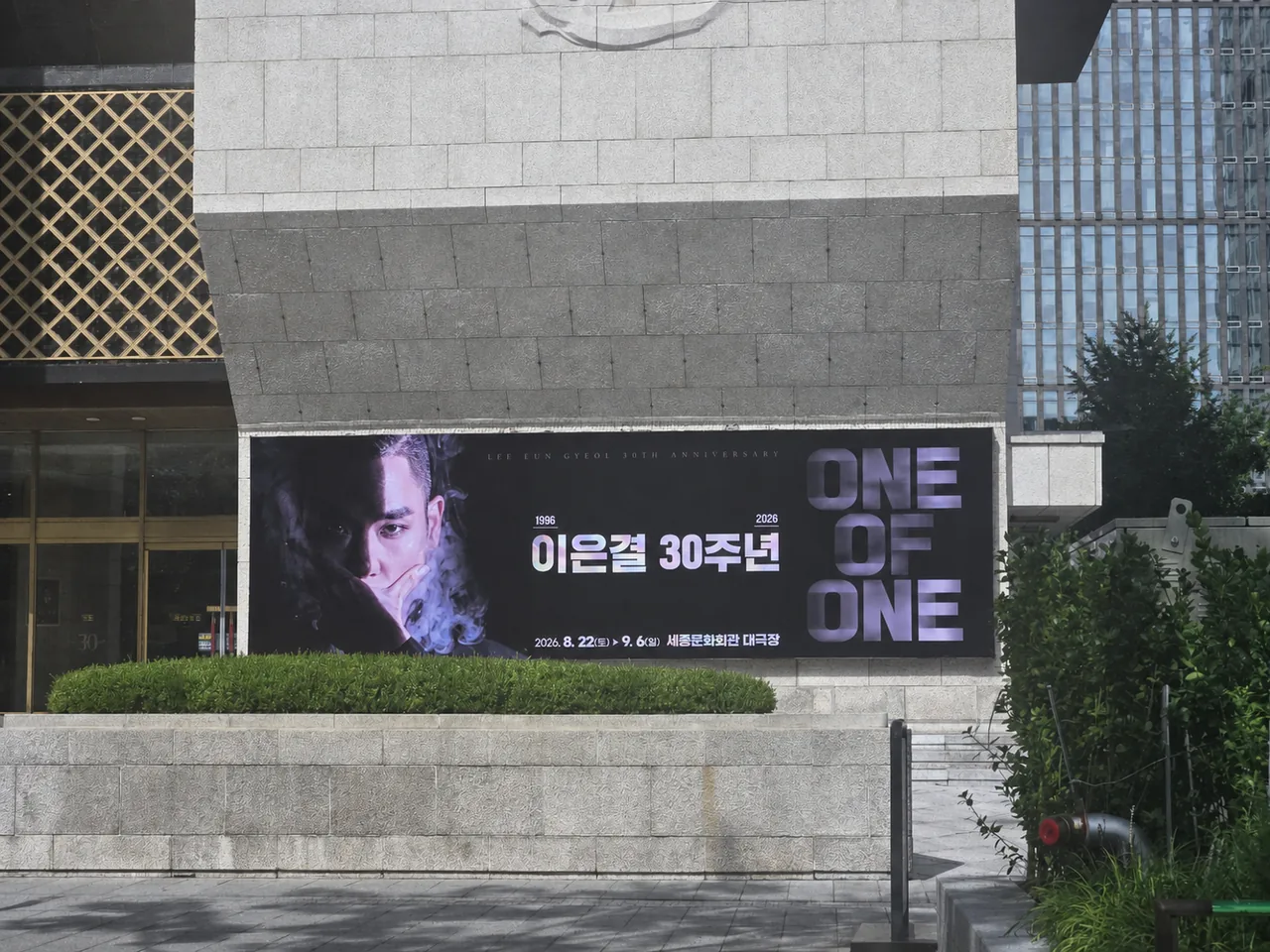
Performances change constantly, and some shows depend heavily on Korean while others—music, dance, magic, and visual productions—are easier for international visitors to enjoy. Check the official Sejong Center English website for the current calendar, venue, age limit, running time, and ticket rules. Arrive early: late admission may be delayed until staff can guide you inside.
Uncle Choi’s Easy Walking Route
- Start near Gwanghwamun Station and have a quick Korean toast breakfast at the nearby Gwanghwamun branch in my Isaac Toast Seoul guide.
- Walk onto Gwanghwamun Square and see the Admiral Yi Sun-sin statue.
- Continue north to the King Sejong statue and take a palace-facing photo.
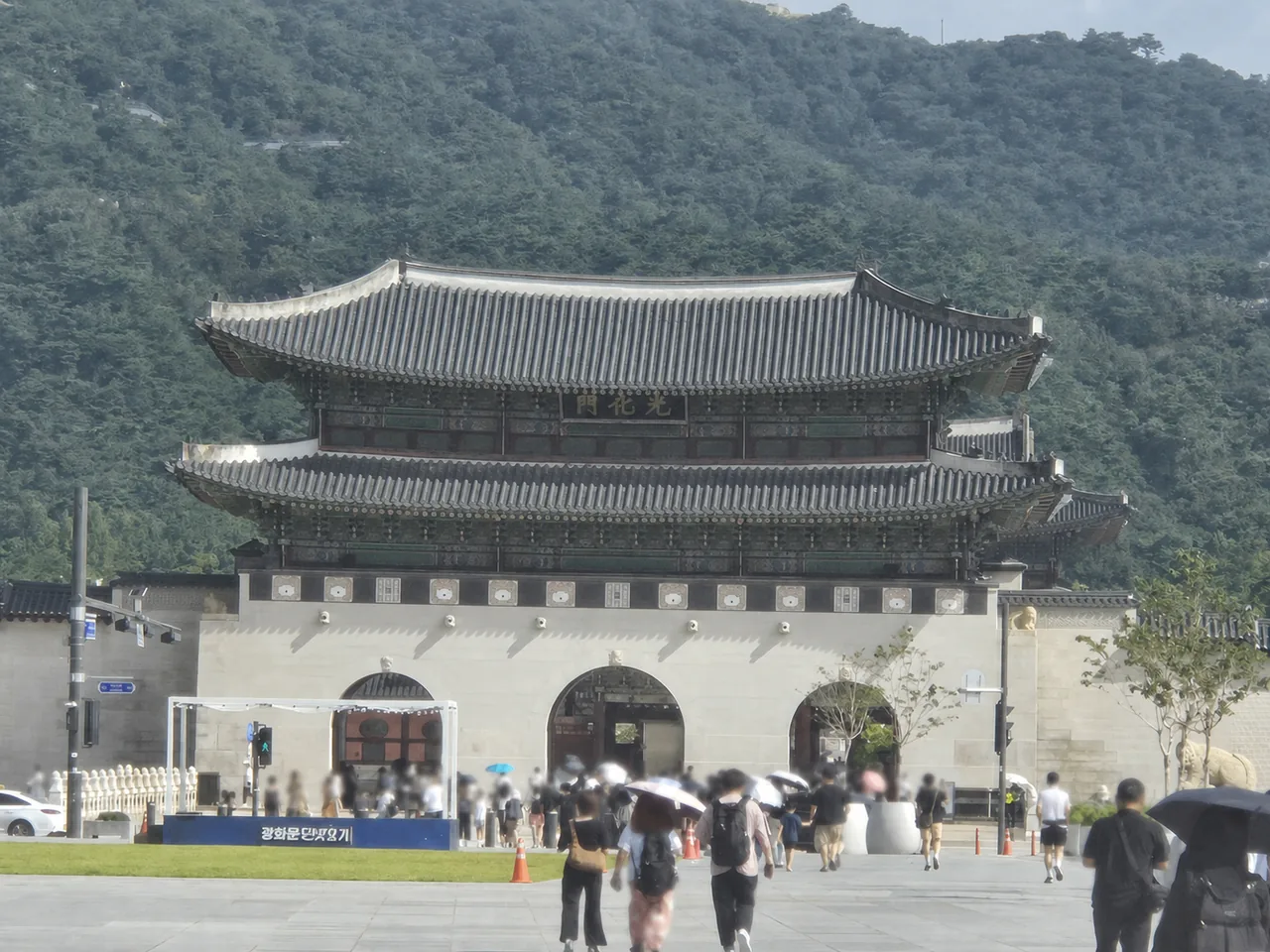
- Walk farther north to Gwanghwamun Gate and enter Gyeongbokgung if it fits your plan.
- Return along the western side for the Sejong Center schedule, exhibition spaces, or an evening performance.
This route works because it does not require complicated transportation. The square, palace gate, theater, and breakfast stop are all part of the same compact central-Seoul area.
Practical Tips Before You Go
- Use public transportation. Downtown traffic and event controls can make taxis slower than expected.
- Bring sun protection in summer. The square has greenery and rest areas, but the main walking axis is still exposed.
- Check event notices. Large gatherings can change access without making the square entirely unavailable.
- Do not assume the fountains are running. Their hours are seasonal and can be adjusted.
- Check each Sejong Center performance separately. Venue, age restriction, language, ticket collection, and late-entry rules differ.
Is Gwanghwamun Square Worth Visiting?
Yes—especially for a first visit to Seoul. Gwanghwamun Square is easy to reach, free, photogenic, and connected to several major sights. More importantly, it gives you a view of Korea that is both historic and current: royal symbolism in front of you, a modern performance hall beside you, and a public space where Seoul’s collective emotions are often visible.
Frequently Asked Questions
Is Gwanghwamun Square free and open all day?
Yes. The outdoor public square is free and officially open 24 hours a day. Museums, lounges, fountains, exhibitions, and events follow their own schedules.
Which subway exit is best for Gwanghwamun Square?
The current official directions recommend Gwanghwamun Station on Line 5, Exit 7, toward the Forest Square or through the passage to Haechi Lounge. Gyeongbokgung Station on Line 3, Exit 6, is a useful alternative when approaching from the palace side.
Where is the best photo spot?
Stand around the King Sejong statue and face north for the strongest combination of statue, Gwanghwamun Gate, and Bugaksan Mountain. For a clean wide view, use the open central walkway and photograph toward the gate.
Is Sejong Center inside Gwanghwamun Square?
It is a separate performing arts complex directly beside the western edge of the square. You can walk between them in only a few minutes without crossing to another neighborhood.
Can international visitors enjoy a show at Sejong Center?
Yes, but check the individual production. Classical music, dance, magic, and visual performances may be easy to follow without Korean, while plays and dialogue-heavy musicals can require more language ability.
What else can I visit nearby?
Gyeongbokgung Palace, Cheonggyecheon Stream, the National Museum of Korean Contemporary History, and the Gwanghwamun branch of Isaac Toast all fit naturally into the same walking route.
Official Sources and Update Note
- Gwanghwamun Square official directions and opening information
- Seoul Metropolitan Government: 2022 square reopening
- Sejong Center official English website
- Sejong Center: Lee Eungyeol ONE OF ONE official performance notice
Fact-checked and updated by Uncle Choi on August 30, 2026. Event schedules, fountain operations, access routes, and performance rules can change.