Best Things to Do in Seoul for First-Time Visitors
The best things to do in Seoul on a first visit are to explore the Gyeongbokgung–Gwanghwamun historic core, walk through Insadong and a hanok neighborhood, eat at a traditional market, spend sunset beside the Han River, and see the city from Namsan. Add Hongdae or Seongsu for contemporary Seoul and COEX–Bongeunsa for the contrast between old and new.
You do not need to visit every famous district. Seoul is large, and a good first trip groups nearby places into half-day routes. Use this guide to choose experiences that match your interests, mobility, weather, and available time.
Best Things to Do in Seoul: Quick Answer
- Walk from Gwanghwamun Square into Gyeongbokgung Palace.
- Explore Insadong and one nearby hanok area.
- Try a traditional market meal.
- Plan a sunset picnic or walk at a Hangang park.
- See a panoramic city view from Namsan.
- Experience youth culture around Hongdae and Yeonnam.
- Browse cafés, pop-ups, and shops in Seongsu.
- Pair Bongeunsa Temple with COEX in Gangnam.
- Visit a major museum for Korean history or art.
- Take one day trip only if you have at least four full days.
Quick Comparison
| Experience | Best for | Time to allow | Easy pairing |
|---|---|---|---|
| Gyeongbokgung and Gwanghwamun | History, first visit | 2–4 hours | Insadong, Bukchon |
| Traditional market | Food, atmosphere | 1–2 hours | Jongno or Mangwon |
| Hangang park | Sunset, relaxation | 2–3 hours | Yeouido or Mangwon |
| Namsan | City views | 2–3 hours | Myeongdong |
| Hongdae and Yeonnam | Youth culture, nightlife | Half day | Mangwon |
| Seongsu | Cafés, design, pop-ups | Half day | Seoul Forest |
| COEX and Bongeunsa | Modern Seoul, rainy days | Half day | Gangnam |
On mobile, swipe left or right to view the full comparison table.
1. Start with Gyeongbokgung and Gwanghwamun
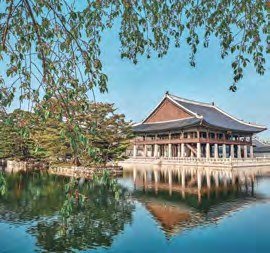
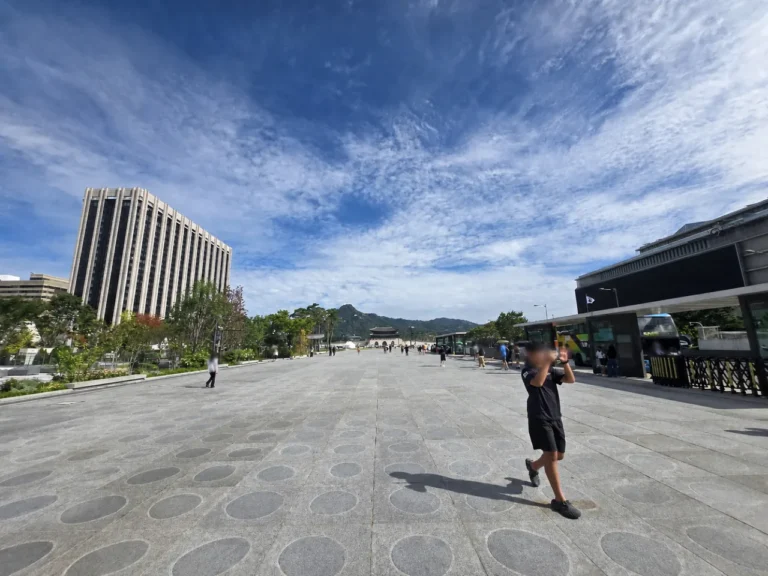
Gwanghwamun is the most efficient introduction to Seoul’s royal and civic history. Begin in the square, walk toward Gwanghwamun Gate, and continue inside Gyeongbokgung if it is open. The route makes the scale of the Joseon capital easy to understand before you enter smaller alleys and neighborhoods.
Allow extra time for security lines, ticket purchase, photographs, and the distance between palace buildings. Gyeongbokgung normally closes on Tuesdays, so use Changdeokgung or another palace if your historic day falls then. Our Seoul palaces comparison explains which palace suits gardens, architecture, short visits, and different closing days.
2. Walk through Insadong and a hanok neighborhood
Insadong works well after a palace because it concentrates crafts, tea, galleries, restaurants, and souvenir shopping within a walkable area. From there, choose either Bukchon for elevated hanok streets and city views or Ikseon-dong for compact alleys filled with cafés and restaurants.
Bukchon is a living residential area, not an open-air set. Keep voices low, respect access restrictions, and avoid blocking doorways. Ikseon-dong is more commercial and easier to combine with an afternoon meal, but its alleys become crowded on weekends.
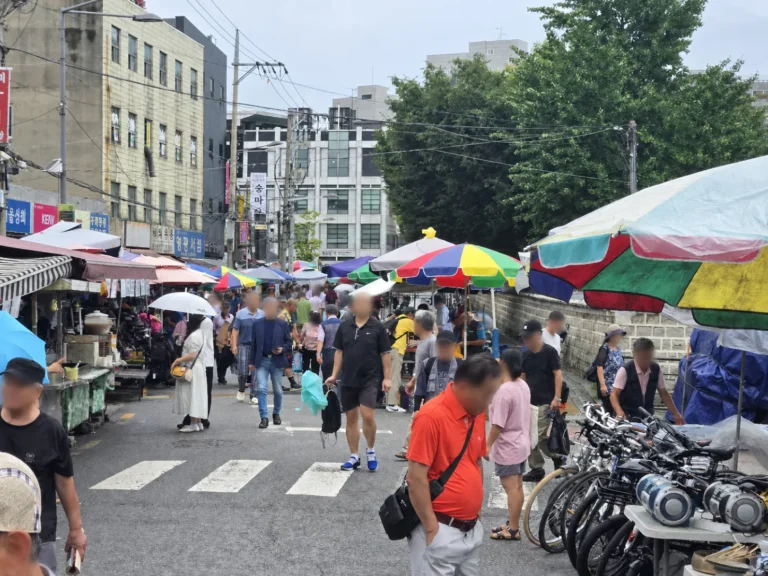
3. Eat at a traditional market
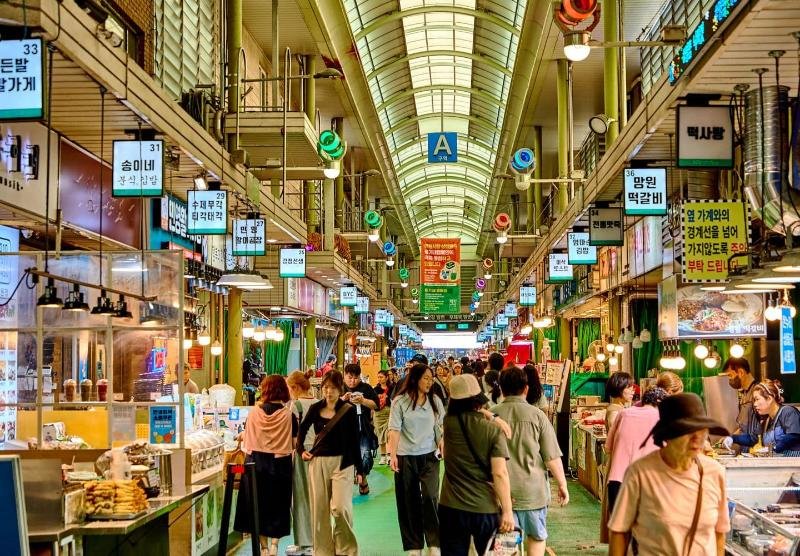
Choose Gwangjang Market when you want famous dishes near the historic center, Mangwon Market when you want a local snack route followed by the river, or Namdaemun when food alleys and shopping are equally important. Share several small dishes rather than filling up at the first stall.
Market sections and individual stalls keep different hours. Go in late morning or early evening, carry a card plus a small amount of cash, and check prices before ordering. Compare the options in our Seoul food markets guide, or use the 20 foods to try in Seoul list to recognize dishes.
4. Spend sunset beside the Han River
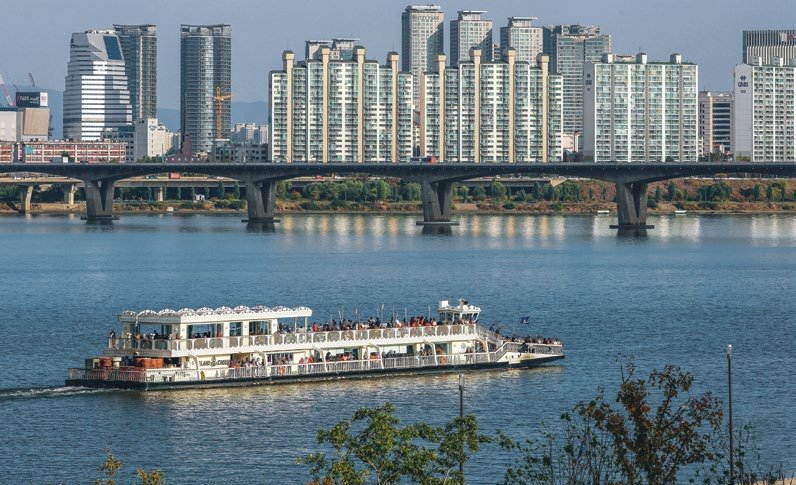
A river evening adds breathing room between busy sightseeing days. Yeouido is the easiest classic choice, Mangwon creates a market-to-picnic route, Banpo is known for bridge views, and Ttukseom offers more activities in eastern Seoul.
Arrive before sunset, choose a legal picnic area, and take your trash to the correct collection point. Fountain shows, cruises, and seasonal events can change with weather and operating schedules. See the Han River Seoul guide before choosing a park.
5. See Seoul from Namsan
Namsan gives first-time visitors a useful visual map of the city. You can walk through Namsan Park, use a bus, or combine the cable car with N Seoul Tower. The paid observatory is optional; several outdoor viewpoints still provide strong skyline views.
Go in clear weather and arrive before dusk if you want both daylight and night views. The route pairs naturally with Myeongdong, but leave more time than the map suggests because slopes, queues, and viewpoint stops slow the visit.
6. Experience Hongdae and Yeonnam
Hongdae is a useful first look at Seoul’s youth culture, street fashion, live performance, shopping, and late-night energy. Begin in Yeonnam around the Gyeongui Line Forest Park for a slower café or brunch stop, then move toward the busier Hongdae streets later in the day.
This is not the best area for an early morning. Visit from afternoon onward, and move one street away from the main pedestrian zone when you want quieter independent shops or restaurants.
7. Browse Seongsu’s cafés and pop-ups
Seongsu combines former industrial spaces, handmade-shoe history, cafés, galleries, boutiques, and changing brand pop-ups. It is one of the clearest places to see how contemporary Seoul reuses older commercial buildings.
Do not build the day around one viral café; queues and temporary events change quickly. Choose the neighborhood first, save several nearby options, and include Seoul Forest for walking time. Our Seoul café neighborhoods guide compares Seongsu with Ikseon-dong and Yeonnam.
8. Pair Bongeunsa Temple with COEX
Bongeunsa and COEX sit close together but offer completely different experiences. Visit the temple respectfully, then cross into the mall for Starfield Library, food, shopping, or an exhibition. This compact contrast works especially well in rain, heat, or winter cold.
COEX is large, so set a meeting point if your group separates. If modern shopping is not a priority, spend the saved time at the National Museum of Korea or in Seongsu instead.
9. Add one museum that matches your interests
The National Museum of Korea is the strongest broad introduction to Korean history and art. The National Museum of Modern and Contemporary Art near the palace district works well for contemporary art, while the War Memorial of Korea provides historical context for travelers considering a DMZ visit.
Museums are not only rainy-day backups. A focused two-hour visit can make the palaces, neighborhoods, and modern city easier to interpret.
10. Take a day trip only when your schedule allows
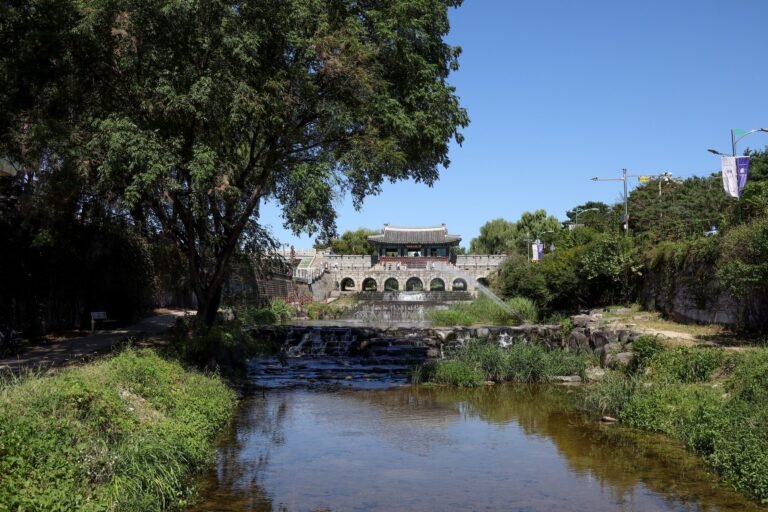
Use your first three full days inside Seoul. With four or more days, consider the DMZ for modern history, Suwon for Hwaseong Fortress, or Nami Island for scenery. Each consumes most of a day once transfers and waiting time are included.
Compare travel time, independence, and weather sensitivity in our best day trips from Seoul guide.
How to Choose by Trip Length
- One day: Gwanghwamun, one palace, Insadong, and one evening view.
- Three days: historic Seoul, Hongdae–Hangang, and Gangnam or Seongsu.
- Five days: add a museum, deeper neighborhood time, and one day trip.
- Seven days: slow the pace, explore two additional districts, and keep one flexible weather day.
For a ready-made geographic route, use our 3-day Seoul itinerary. If you have not booked accommodation, the best areas to stay in Seoul guide explains which base reduces travel time.
Uncle Choi’s Tip
Plan one major anchor, one nearby flexible stop, and one evening experience per day. When weather, fatigue, or a good restaurant changes the plan, remove the flexible stop instead of rushing the entire schedule.
Frequently Asked Questions
What should I not miss on my first trip to Seoul?
Do not miss one palace area, one traditional neighborhood, a market meal, and an evening view from the Han River or Namsan. Together they show historic, everyday, and modern Seoul without requiring a long checklist.
How many days are enough for Seoul?
Three full days provide a strong introduction. Five days allow slower neighborhood exploration, a museum, and one day trip without making every day feel rushed.
Is Seoul easy to explore without a tour?
Yes. The subway reaches most major areas, and independent travel works well when each day is grouped geographically. A guided walk adds value for historical interpretation, while a tour is most useful for controlled areas such as the DMZ.
Should I buy the Discover Seoul Pass?
List the exact paid attractions you will visit, check their locations and opening days, then compare the total with the current pass price. A pass saves money only when its included attractions fit your natural route.
Final Recommendation
For a first visit, prioritize the historic center, a traditional market, a Hangang evening, and one contemporary district. Choose either Hongdae or Seongsu before adding both, and save a day trip until you have at least four full days. Seoul rewards focused neighborhood time more than hurried landmark collecting.
Sources & Last Updated
- Visit Seoul — If You Visit Seoul for the First Time
- Visit Seoul — About Seoul
- Visit Seoul — Gwanghwamun Square
- Visit Seoul — Namsan Park
- Seoul Metropolitan Government / Seoul Tourism Organization, Seoul Tourist Guide, 2025–2026 project edition
Last fact-checked: August 21, 2026. Check official pages for temporary closures, seasonal events, and reservation rules.